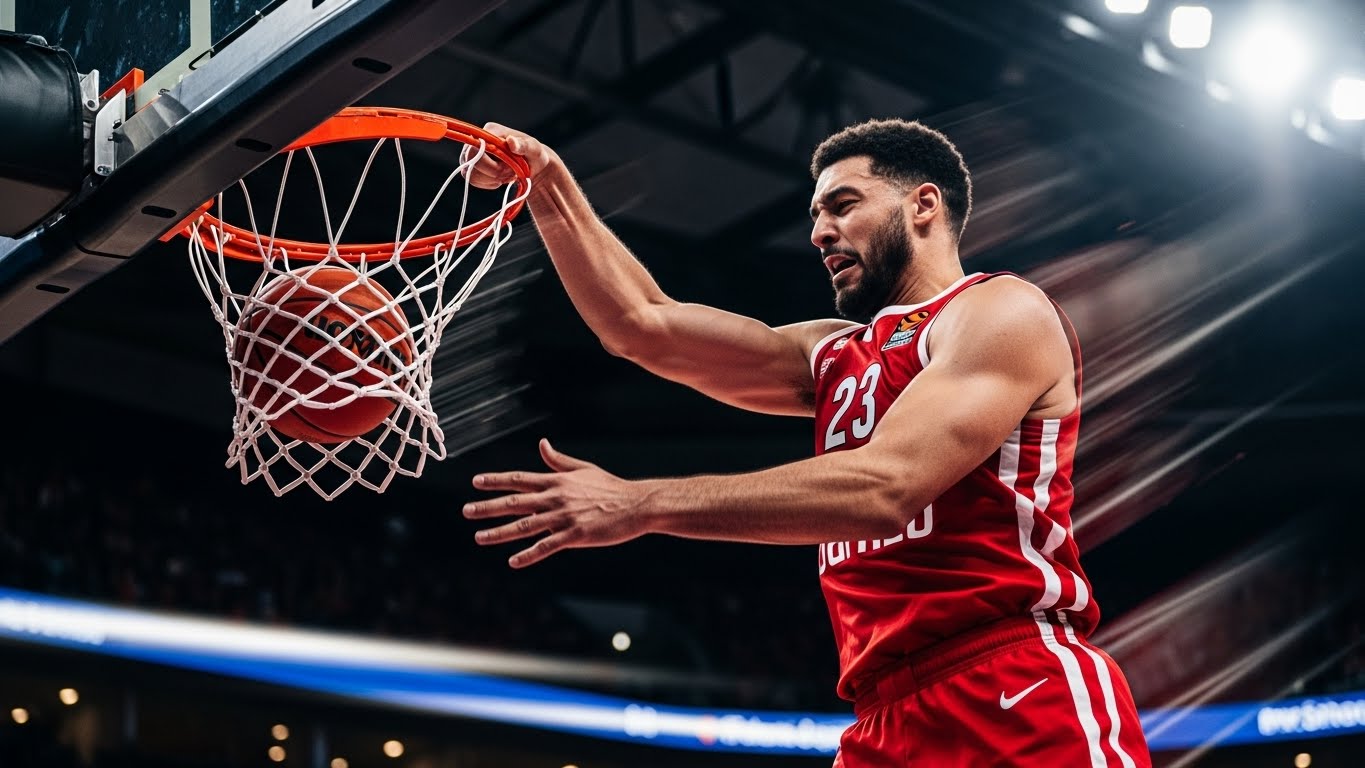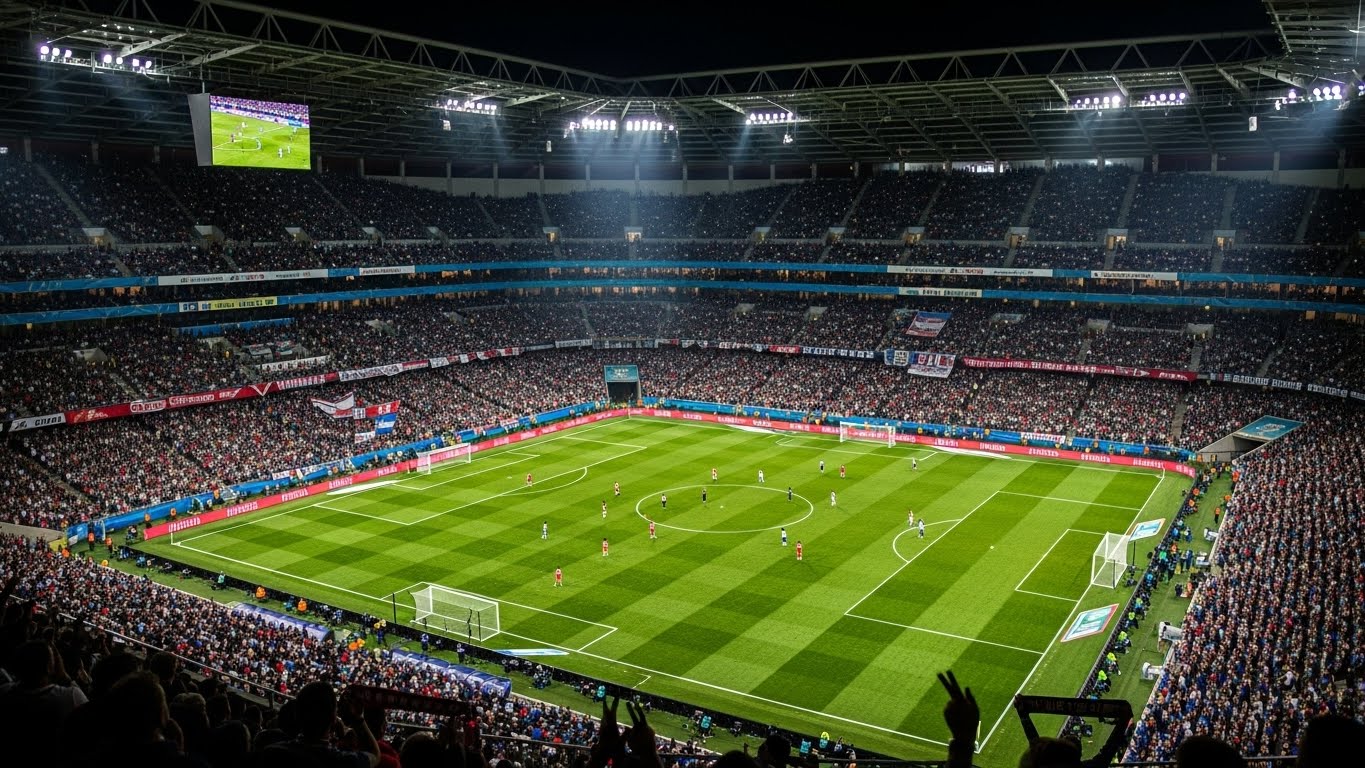

Sports are more than just competitions; they are powerful catalysts for personal growth, community building, and cultural exchange. Whether it’s the adrenaline rush of a last-minute goal, the triumph of completing a marathon, or the lessons learned from a tough loss, sports shape individuals and societies in ways that often go unnoticed. In this blog, we explore the various dimensions of sports, how they influence us beyond the field, and why their impact transcends mere entertainment.
The Role of Sports in Personal Development
From childhood through adulthood, sports teach critical life skills that extend far beyond the game. Team sports like soccer, basketball, and volleyball instill a sense of cooperation, teamwork, and communication. These skills are not only vital for success on the field but also in the workplace, family dynamics, and everyday life.
Individually, sports can cultivate resilience, discipline, and time management. Athletes often face challenges—injuries, losses, or personal setbacks—that push them to find strength and determination to keep going. This resilience can be translated to personal struggles outside of sports, helping individuals navigate through life’s ups and downs with a stronger mindset.
The Social Impact of Sports: Building Communities
One of the most profound impacts of sports is their ability to unite people. Whether it’s cheering for a local team or coming together for a community event, sports have the unique ability to break down barriers. They create a space where people from different walks of life—regardless of race, socioeconomic background, or culture—can come together for a common purpose.
In many countries, sports serve as a powerful tool for social change. Initiatives like youth sports programs, disability sports leagues, and gender inclusivity campaigns create opportunities for marginalized groups to engage in sports, fostering a sense of belonging and promoting equality. Through sports, we see firsthand how individuals, teams, and even entire nations can transcend differences to achieve common goals.
The Global Language of Sports
Sports are often described as a universal language. No matter where you are in the world, a game of soccer, basketball, or cricket can bring people together without the need for words. The global popularity of events like the Olympics, FIFA World Cup, and the Super Bowl demonstrate how sports transcend national borders and cultures.
These events offer a unique opportunity to celebrate diversity and human achievement. Athletes from every corner of the globe come together to compete, share stories, and form bonds that last a lifetime. Fans of different countries connect through shared excitement, mutual respect, and the pure joy of witnessing greatness in action.
Sports as a Gateway to Health and Well-being
In an increasingly sedentary world, sports provide an essential pathway to physical health. Regular physical activity through sports helps in managing weight, improving cardiovascular health, and enhancing mental well-being. Beyond the physical benefits, sports promote mental resilience and stress relief. Whether it’s the meditative focus of a swimmer’s stroke or the cathartic release of a runner’s stride, exercise has long been known to enhance mood and reduce anxiety.
Sports also contribute significantly to building healthy habits and long-term well-being. Athletes who start young often carry these habits into adulthood, leading to a healthier, more active lifestyle. For many, sports foster a love for movement that stays with them for a lifetime.
The Importance of Sports in Education
Incorporating sports into the educational system offers students valuable life experiences outside the classroom. Physical education programs and sports teams teach students about teamwork, leadership, time management, and perseverance. These lessons complement academic achievements and can have a profound impact on an individual’s ability to succeed in both their personal and professional lives.
Moreover, sports often serve as an outlet for students who may struggle academically. For these individuals, success on the field or court can boost confidence and provide a sense of accomplishment that might be absent in other areas of their lives.
The Legacy of Sports: Inspiring the Next Generation
Perhaps one of the most enduring impacts of sports is their ability to inspire future generations. From legends like Muhammad Ali and Serena Williams to rising stars in every sport, athletes serve as role models for young people worldwide. Their dedication, discipline, and perseverance teach aspiring athletes to dream big and work hard to achieve those dreams.
Moreover, sports offer a platform for individuals to use their voices for causes greater than themselves. Many athletes today leverage their platform to advocate for social justice, mental health awareness, and other important issues, encouraging their fans to do the same.
Conclusion: Sports as a Reflection of Society
Sports, at their core, are a reflection of the world we live in. They mirror the triumphs and struggles, the victories and defeats, the camaraderie and competition, of the human experience. But more than that, they shape our society. Through sports, we learn about ourselves, our communities, and our global connections. Whether we are playing, watching, or supporting a team, sports have the power to inspire, unite, and transform.
Ultimately, sports are not just about winning or losing; they are about becoming better versions of ourselves and contributing to a better world.