
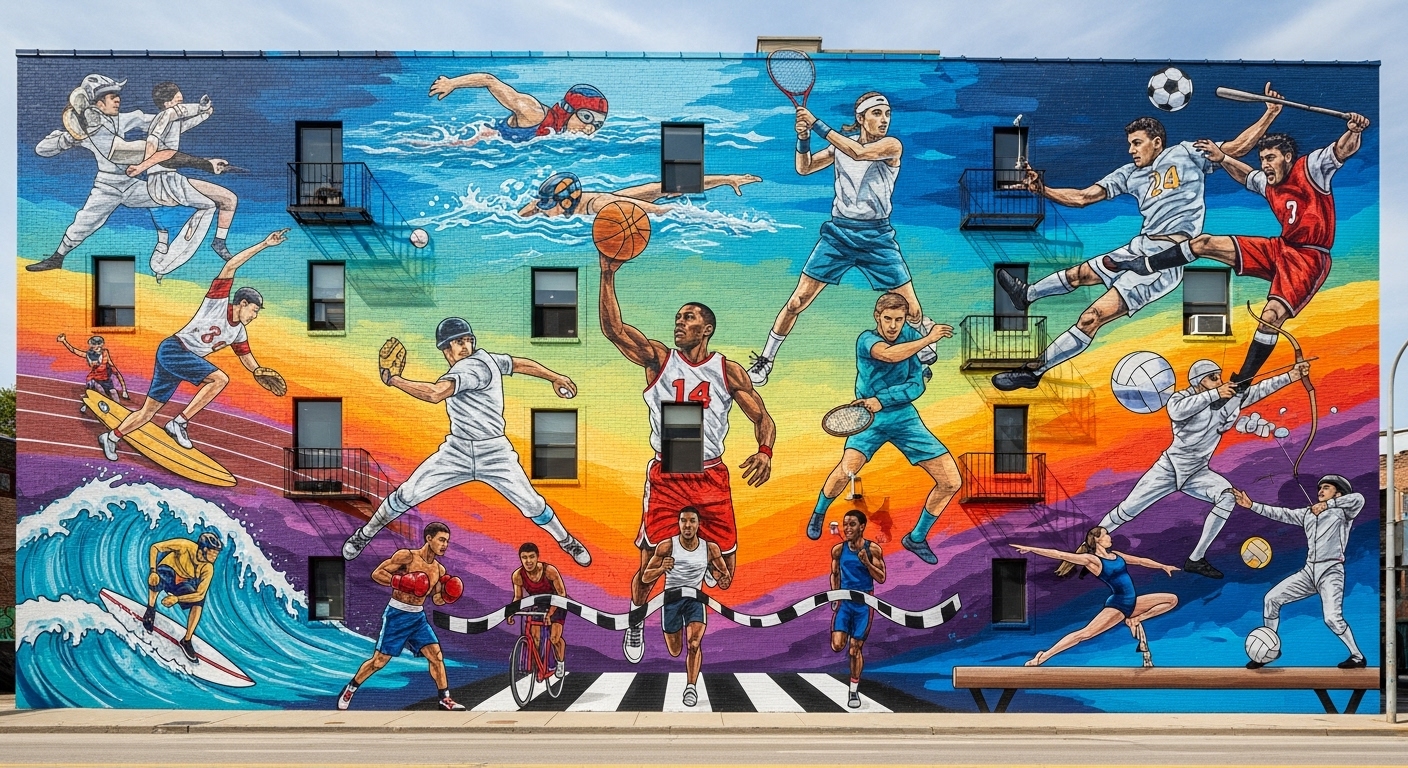
Sports have always been more than just competition. They are a reflection of culture, a celebration of human skill, and a platform for personal growth. From ancient civilizations to the modern era, sports have played a critical role in bringing people together, promoting health, and inspiring achievement. Today, sports are not just a source of entertainment—they influence education, technology, economy, and social development. This blog explores the multifaceted world of sports, its impact on society, and the future of athletic competition.
The History and Evolution of Sports
The history of sports is as old as civilization itself. Ancient societies organized physical contests to demonstrate strength, skill, and endurance. In Ancient Greece, the Olympic Games combined athletic prowess with cultural and religious celebrations. These events set the foundation for organized competition and sportsmanship.
Over centuries, sports evolved to include structured rules, professional leagues, and international tournaments. Modern sports such as football, cricket, basketball, and tennis have become global phenomena, uniting diverse communities. Advancements in equipment, training techniques, and facilities have allowed athletes to achieve levels of performance once considered impossible. The evolution of sports mirrors the development of human society and innovation.
Physical and Mental Benefits of Sports
Participating in sports offers profound physical and mental benefits. Regular physical activity strengthens the heart, muscles, and bones, improves flexibility, and reduces the risk of chronic diseases. Sports help maintain healthy body weight, enhance coordination, and promote overall fitness.
Mentally, sports foster discipline, focus, and resilience. Athletes learn to manage pressure, overcome setbacks, and develop a growth mindset. Team sports cultivate communication, leadership, and collaboration skills, while individual sports teach self-motivation and personal accountability. For both professionals and amateurs, sports contribute to a balanced and healthy lifestyle.
Sports and Education
Sports play a vital role in education, nurturing both physical and intellectual growth. Schools and universities encourage participation in physical education and competitive sports programs. These programs instill values such as teamwork, perseverance, and fair play.
Athletic scholarships provide opportunities for students to pursue higher education while excelling in sports. Collegiate competitions serve as platforms for talent identification and career development. Integrating sports with education ensures holistic development, preparing students for future challenges both on and off the field.
Technology Revolutionizing Sports
Technology has transformed how sports are played, analyzed, and enjoyed. Wearable devices, smart sensors, and performance-tracking tools allow athletes to monitor fitness, optimize training, and prevent injuries. Video analysis helps coaches refine techniques and develop strategies for peak performance.
For spectators, technology enhances the viewing experience. High-definition broadcasts, instant replays, and interactive applications create immersive engagement. Innovations such as goal-line technology, VAR in football, and Hawk-Eye in tennis ensure fairness and accuracy. Technology continues to elevate the standards of both participation and spectator enjoyment in sports.
Global Impact of Sports
Sports have the power to unite people across cultures and borders. International competitions such as the Olympics, FIFA World Cup, and Rugby World Cup attract millions of viewers and participants worldwide. These events foster national pride, cultural exchange, and global camaraderie.
Sports also serve as a tool for diplomacy and social development. They can reduce tensions, encourage collaboration, and promote peace between nations. Athletes and sports organizations engage in charitable activities, using their influence to address social issues and inspire positive change. Sports extend beyond recreation—they shape global society.
Professional Sports and Economic Influence
The professional sports industry is a major economic driver. Leagues, tournaments, and events generate revenue through ticket sales, sponsorships, broadcasting rights, and merchandise. Hosting major sports events boosts local economies by promoting tourism, infrastructure development, and employment.
Athletes are influential economic actors. Their endorsements, media appearances, and personal brands generate significant value. Beyond athletes, the sports industry provides jobs in coaching, event management, sports medicine, marketing, and media. The economic impact of sports demonstrates its importance as both entertainment and a critical industry.
Women in Sports
Women’s participation in sports has grown tremendously over the past century. Female athletes have broken barriers and inspired generations worldwide. Sporting organizations now emphasize equality, providing platforms for women to showcase talent on par with men.
Athletes like Serena Williams, Simone Biles, and Marta have set new benchmarks in performance while challenging societal stereotypes. Encouraging girls and women to participate in sports promotes empowerment, confidence, and health. The rise of women’s sports is a testament to progress, inclusivity, and the universal appeal of athletic competition.
Sports Psychology and Mental Strength
Sports psychology is a critical component of athletic success. Mental preparation, focus, visualization, and stress management enhance performance. Athletes develop resilience and coping strategies to handle the pressures of competition and public expectations.
Spectators also experience psychological effects through sports. Supporting a favorite team provides excitement, emotional release, and a sense of community. The shared highs and lows of sporting events create bonds among fans, highlighting the social and psychological significance of sports.
Sports as a Platform for Social Change
Sports have historically served as a catalyst for social change. Athletes have leveraged their visibility to advocate for equality, human rights, and environmental awareness. Icons like Muhammad Ali, Billie Jean King, and Jackie Robinson used sports to challenge discrimination and inspire societal progress.
Today, sports continue to address issues such as racism, gender inequality, and accessibility. Initiatives promoting adaptive sports for differently-abled individuals and community engagement demonstrate the transformative power of athletics. Sports shape culture while actively promoting inclusivity and social awareness.
The Future of Sports
The future of sports is shaped by innovation, technology, and evolving cultural trends. Emerging technologies like artificial intelligence, virtual reality, and augmented reality will transform both participation and spectating. Esports and digital sports platforms are redefining what it means to compete and enjoy sports in the digital age.
Sustainability will also be a key focus in the future of sports. Eco-friendly stadiums, renewable energy initiatives, and responsible event management will become standard practices. The integration of technology, social responsibility, and innovation promises an inclusive and dynamic future for sports globally.
Conclusion
Sports are more than games—they are a reflection of human ambition, culture, and innovation. They inspire individuals, unite communities, and contribute to education, economic development, and social progress. From the physical and mental benefits to the global cultural impact, sports touch every aspect of life.
As technology advances and society evolves, sports will continue to adapt, offering new experiences and opportunities. Their influence extends far beyond stadiums and playing fields, shaping identities, communities, and the world at large. The game is not just on the field—it is a force that defines modern life, inspires excellence, and fosters connections across the globe.