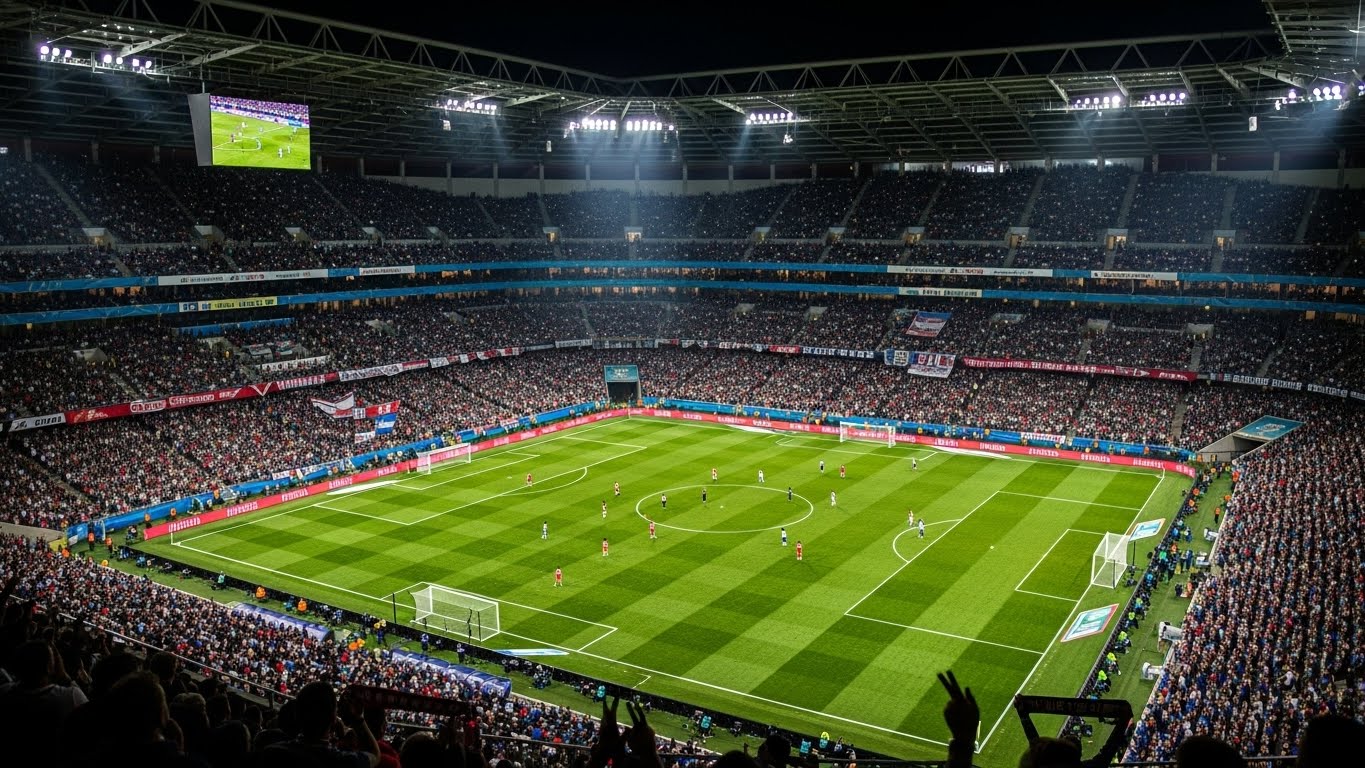

Sports have always been more than just a way to pass the time or entertain crowds. They hold a unique position in human society, influencing culture, shaping character, and uniting people across boundaries. From ancient Olympic competitions to modern-day global tournaments, sports have evolved alongside humanity, reflecting our values, aspirations, and collective spirit. This blog explores the multifaceted impact of sports, from physical health and mental well-being to social integration and personal growth.
The Physical Benefits of Sports
One of the most apparent advantages of engaging in sports is the improvement of physical health. Regular participation in athletic activities strengthens the cardiovascular system, enhances muscular endurance, and improves flexibility and coordination. For children and adolescents, sports provide a structured way to develop motor skills while instilling lifelong habits of exercise and movement. Adults, meanwhile, benefit from sports through weight management, reduced risk of chronic illnesses such as diabetes and heart disease, and the maintenance of bone density and muscle strength as they age.
Athletes often push their bodies to extreme limits, revealing the remarkable adaptability of the human body. Sports like swimming and cycling enhance aerobic capacity, while weightlifting and sprinting focus on anaerobic strength and explosive power. Beyond the obvious physical benefits, consistent exercise triggers the release of endorphins, the body’s natural mood lifters, which directly links physical activity to emotional well-being. This makes sports not just a physical endeavor but a holistic tool for improving quality of life.
Mental Health and Cognitive Growth
Sports are equally powerful in shaping mental health and cognitive development. Participating in athletic activities requires focus, strategy, and mental resilience. Team sports teach communication, collaboration, and decision-making under pressure, while individual sports often emphasize self-discipline, self-reliance, and introspection. Studies consistently show that children and adults engaged in sports demonstrate better attention spans, enhanced problem-solving skills, and higher academic performance.
Moreover, sports act as a natural stress reliever. The competitive and physically demanding nature of sports provides a productive outlet for frustration and anxiety. Athletes often describe a sense of mental clarity and calm following intense training or games, highlighting the role of sports in balancing emotional health. The psychological benefits of sports are not limited to participants; spectators also experience heightened excitement, joy, and a sense of community while watching competitions unfold.
Building Character and Life Skills
Beyond physical and mental benefits, sports play a vital role in building character and instilling life skills. Participation teaches resilience in the face of failure, perseverance in the pursuit of goals, and humility in victory. Athletes learn to cope with setbacks, whether it’s losing a match or facing an injury, developing a mindset that translates into other areas of life, such as academics, career, and personal relationships.
Sports also cultivate leadership qualities and teamwork. Captaining a team or coordinating with peers requires empathy, adaptability, and effective communication. Even in individual sports, athletes often rely on coaches, trainers, and support staff, underscoring the importance of collaboration and mutual respect. These skills are invaluable in professional settings, as they prepare individuals to navigate challenges, manage conflicts, and inspire others.
Sports as a Social Connector
One of the most remarkable aspects of sports is their ability to unite people across cultural, social, and economic divides. Major sporting events like the World Cup, the Olympics, or regional leagues bring together fans from diverse backgrounds, fostering a shared sense of excitement and identity. Sports serve as a universal language, transcending differences and creating a common ground where people can celebrate human achievement together.
At the community level, local sports clubs and recreational leagues encourage social interaction and civic engagement. They offer safe spaces for young people to channel energy constructively, reducing the risk of involvement in harmful activities. For adults, recreational sports provide opportunities to connect with peers, build friendships, and strengthen social bonds. In many ways, sports act as a social glue, promoting inclusivity, respect, and cooperation.
Cultural Significance of Sports
Sports are deeply intertwined with culture and history. Ancient societies used athletic competitions not only as entertainment but also as a reflection of societal values, religious beliefs, and political power. The Olympic Games, for instance, originated in Greece as a tribute to the gods, while martial arts in Asia were historically linked to discipline, spirituality, and self-defense. Even today, sports carry symbolic significance, representing national pride, cultural identity, and collective memory.
Cultural representation in sports also encourages diversity and inclusivity. Athletes from various backgrounds showcase their traditions, bringing attention to different customs, attire, and styles of play. This cultural exchange fosters mutual respect and broadens perspectives, making sports a vehicle for global understanding. In many cases, athletes become ambassadors for their countries, using their visibility to inspire change and advocate for social causes.
The Economic Impact of Sports
While often overlooked, sports are a major driver of economic activity. Professional leagues, tournaments, and sporting events generate substantial revenue through ticket sales, broadcasting rights, merchandising, and sponsorships. Cities hosting large-scale events often experience infrastructure development, increased tourism, and job creation. Local sports programs, even at a grassroots level, contribute to economic sustainability by creating employment opportunities for coaches, trainers, referees, and support staff.
The sports industry also fuels innovation, from advancements in athletic equipment to digital platforms for fan engagement. Technology has transformed how athletes train, how games are analyzed, and how audiences experience events. Wearable devices, performance analytics, and virtual training tools not only enhance athletic performance but also create new economic avenues, blending sports with business and technology in unprecedented ways.
Sports and Education
The intersection of sports and education provides unique opportunities for personal growth and academic achievement. Student-athletes often balance rigorous training schedules with academic responsibilities, developing time management, discipline, and resilience. Schools and colleges recognize the importance of sports, offering scholarships and programs that enable talented individuals to pursue higher education while excelling in athletics.
Moreover, sports education goes beyond physical training. Courses in sports management, physiotherapy, coaching, and sports science equip students with specialized skills, preparing them for professional careers within the industry. Integrating sports into educational frameworks emphasizes the holistic development of students, nurturing not only intellectual growth but also physical, emotional, and social intelligence.
Inspiring Stories and Role Models
Sports are a powerful source of inspiration. Stories of athletes overcoming adversity, breaking records, or championing social causes resonate deeply with audiences worldwide. Role models in sports demonstrate that success is often the result of dedication, perseverance, and ethical conduct. Their journeys encourage individuals to dream big, work hard, and pursue excellence in their own lives.
Beyond professional athletes, everyday sports enthusiasts also inspire through personal achievements. Completing a marathon, mastering a difficult skill, or mentoring younger players highlights the universal capacity of sports to foster determination and self-improvement. These narratives reinforce the idea that sports are not solely about winning but about growth, effort, and the pursuit of one’s best self.
The Future of Sports
Looking ahead, the future of sports promises exciting possibilities. Technological innovations will continue to enhance performance, safety, and fan engagement. Virtual reality, artificial intelligence, and data analytics will revolutionize training methods and strategic planning. At the same time, the emphasis on inclusivity and accessibility will grow, ensuring that sports are open to people of all abilities, genders, and socioeconomic backgrounds.
Environmental sustainability will also shape the evolution of sports. Green stadiums, eco-friendly events, and sustainable practices within sports organizations reflect a growing awareness of the ecological impact of athletic activities. The future of sports is likely to blend tradition with innovation, community engagement with global reach, and competition with social responsibility.
Conclusion
Sports are far more than games played on fields, courts, or tracks. They are a reflection of human potential, a celebration of culture, and a catalyst for physical, mental, and social growth. From personal development to global unity, the impact of sports resonates across all aspects of life. They teach discipline, resilience, teamwork, and empathy, while also providing joy, excitement, and a sense of belonging.
In every kick, swing, or sprint lies a lesson about perseverance, a moment of triumph, and a shared human experience. Whether one is an athlete, a fan, or a casual observer, the world of sports offers lessons and inspiration that extend far beyond the playing field. Embracing sports in all their dimensions allows individuals and societies alike to grow stronger, healthier, and more connected. In essence, sports remind us that life itself is a game worth playing with passion, dedication, and heart.