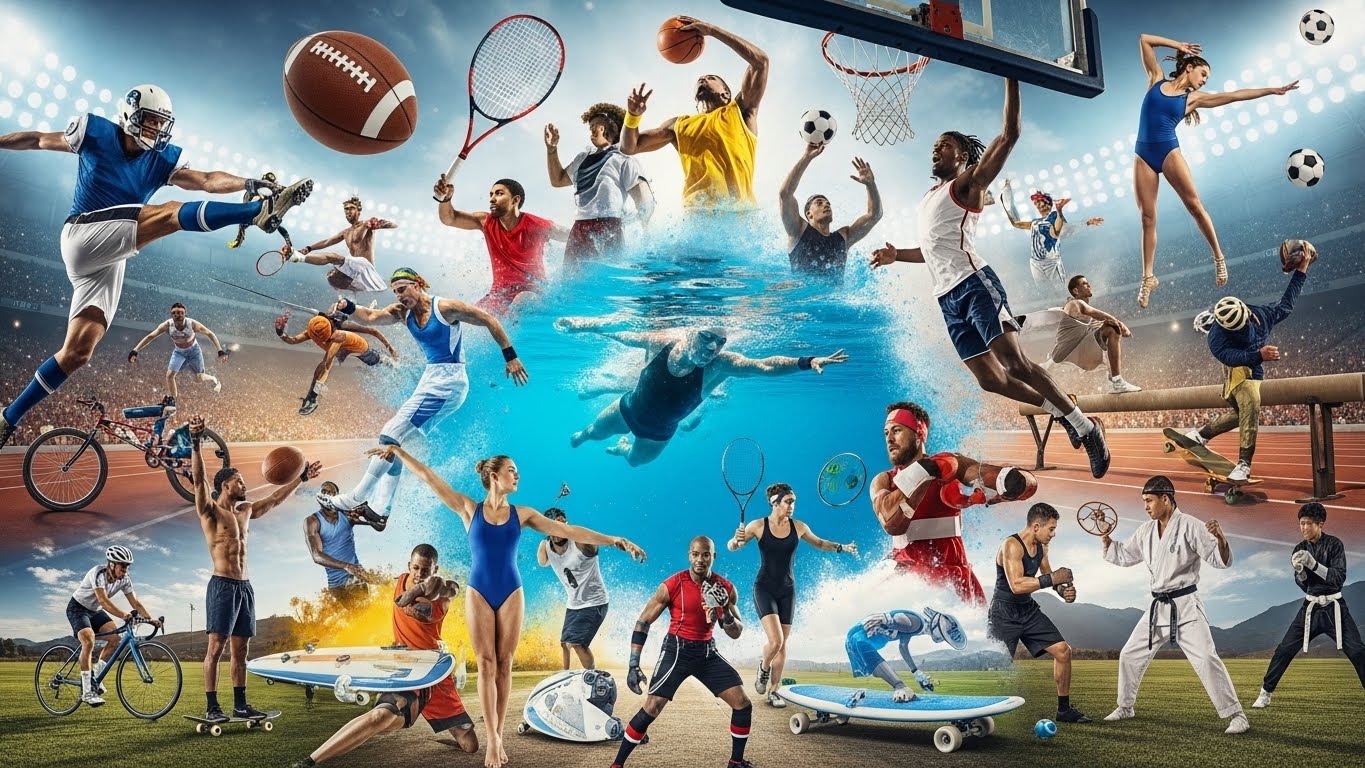

Introduction: More Than Just a Game
Sports have always been an integral part of human culture, transcending borders, languages, and generations. From ancient competitions in Greece to modern international events like the Olympics and the World Cup, sports have consistently served as a reflection of society, showcasing human endurance, skill, and passion. While many view sports purely as entertainment or physical activity, their impact goes far beyond the playing field. Sports foster personal growth, build communities, encourage cultural exchange, and even influence economies and politics. Understanding the deeper role of sports can illuminate why they remain a cornerstone of human society.
The Physical and Mental Benefits of Sports
At its most basic level, sports promote physical health. Regular participation improves cardiovascular fitness, strengthens muscles, enhances flexibility, and boosts overall energy levels. Beyond physical benefits, sports play a critical role in mental well-being. Engaging in athletic activities can reduce stress, alleviate symptoms of anxiety and depression, and improve cognitive function. Team sports, in particular, cultivate emotional intelligence by teaching players how to navigate cooperation, resolve conflicts, and empathize with others. The combination of physical exertion and mental engagement makes sports a powerful tool for holistic human development.
Sports as a Tool for Character Building
Participation in sports goes far beyond improving physical fitness. Sports instill essential life skills such as discipline, perseverance, resilience, and time management. Athletes learn to set goals, embrace challenges, and cope with setbacks, lessons that extend into personal and professional life. The pressure of competition teaches patience and adaptability, while victories and losses alike nurture humility and sportsmanship. Coaches often emphasize the importance of integrity and ethical behavior, demonstrating that success is not only about winning but also about respecting rules, opponents, and oneself.
Team Sports and the Value of Collaboration
Team sports like football, basketball, and hockey highlight the importance of collaboration. Individual talent is important, but teamwork is often the deciding factor in success. Players must communicate effectively, trust one another, and coordinate their efforts toward a common goal. These experiences mirror real-world scenarios in workplaces and communities, where cooperation and mutual support are vital for achieving objectives. The lessons learned on the field about synergy, leadership, and accountability are transferable skills that benefit individuals in all aspects of life.
The Role of Sports in Cultural Exchange
Sports have the unique ability to bridge cultural divides. International tournaments such as the Olympics, World Cup, and international cricket series bring together athletes and fans from diverse backgrounds. These events foster understanding, tolerance, and shared appreciation for excellence. Cultural rituals, team traditions, and sportsmanship customs enrich the experience and promote respect for different perspectives. Beyond international competitions, local sports clubs often serve as melting pots for communities, welcoming individuals from various social, ethnic, and economic backgrounds to participate and connect.
Economic Impact of Sports
Sports are not only a cultural phenomenon but also a significant economic driver. Professional leagues, tournaments, and sporting events generate substantial revenue through ticket sales, sponsorships, merchandising, and broadcasting rights. Cities hosting major events experience boosts in tourism, hospitality, and infrastructure development. The sports industry also creates employment opportunities across multiple sectors, including coaching, media production, event management, marketing, and sports medicine. Beyond direct financial gains, sports can contribute to regional development by encouraging investment in facilities and community programs.
Women in Sports: Breaking Barriers
Historically, women faced significant barriers in sports, often being denied access to professional competition, training facilities, and recognition. Over the decades, progress has been made, with female athletes excelling in virtually every sport. Figures in tennis, football, athletics, and basketball have become global icons, inspiring young girls to pursue athletic careers. Beyond representation, women’s sports challenge societal stereotypes, promote gender equality, and encourage policy changes in areas like equal pay, sponsorship, and media coverage. The continued growth of women’s sports underscores the broader movement toward inclusivity and equity.
Sports and Education: Lessons in Learning and Leadership
Sports play an essential role in education by complementing academic learning with experiential lessons. Schools and universities often integrate athletic programs to teach students the value of hard work, strategic thinking, and teamwork. Participation in school sports enhances concentration, problem-solving abilities, and time management skills. Additionally, student-athletes often take on leadership roles, learning to motivate peers, manage conflicts, and represent their institutions. Sports in education create a well-rounded environment that balances intellectual growth with physical and social development.
Sportsmanship and Ethics: The Moral Dimension
Beyond skills and fitness, sports provide a framework for ethical behavior. Concepts like fair play, respect for opponents, and honesty are central to sportsmanship. Athletes face choices that test their character, such as following rules under pressure or handling victories with humility. Ethical conduct in sports extends into society, as it reinforces integrity and accountability in personal and professional contexts. The moral lessons learned on the field encourage individuals to approach life with fairness, empathy, and responsibility.
Sports as a Platform for Social Change
Sports can be a powerful catalyst for social change. Athletes often use their platform to raise awareness on critical issues, from racial and gender equality to climate change and public health. Sporting organizations frequently partner with charitable initiatives, community programs, and educational campaigns, leveraging the popularity of sports to effect positive change. Iconic moments in sports history have united nations, challenged injustices, and inspired collective action, highlighting the potential of sports to influence societies far beyond the boundaries of competition.
The Psychological Thrill of Spectatorship
Watching sports is a global pastime that evokes intense emotions. Fans experience joy, tension, disappointment, and excitement, creating a shared emotional journey. Spectatorship fosters community identity, whether rooting for a local team or supporting a national squad in international tournaments. Rituals, chants, and fan traditions strengthen social bonds and create a sense of belonging. For many, following sports offers a way to connect with others, celebrate achievements, and navigate the emotional highs and lows of life vicariously through athletes.
Technology and the Evolution of Sports
Technological advancements are transforming how sports are played, analyzed, and consumed. Wearable devices monitor athlete performance, helping optimize training and prevent injuries. Instant replay systems and analytics enhance fairness and strategy, while virtual reality and augmented reality expand how fans experience games. Social media platforms allow direct engagement between athletes and fans, creating personalized connections and fostering global communities. The integration of technology continues to elevate both athletic performance and the spectator experience.
Challenges Facing the World of Sports
Despite its benefits, sports face challenges that require careful attention. Issues such as doping, corruption, match-fixing, and financial inequality threaten the integrity of competition. Mental health concerns among athletes, particularly related to stress, pressure, and public scrutiny, are increasingly recognized. Accessibility remains a barrier for marginalized communities, limiting participation and representation. Addressing these challenges demands commitment from athletes, governing bodies, and fans alike to preserve the positive impact of sports.
The Future of Sports: Innovation and Inclusivity
The future of sports is bright, with innovation and inclusivity shaping its trajectory. Emerging disciplines like esports, adventure sports, and adaptive athletics are broadening participation and engagement. Efforts to make sports more inclusive for women, people with disabilities, and underrepresented groups are gaining momentum. Advances in sustainability are influencing how events are organized, reducing environmental impact while maintaining excitement. The evolution of sports will continue to reflect societal values, technological progress, and the enduring human desire for challenge and excellence.
Conclusion: The Enduring Power of Sports
Sports are far more than games or competitions; they are a reflection of human ambition, creativity, and community. They teach discipline, resilience, and teamwork while providing entertainment, inspiration, and a sense of belonging. From shaping individuals to transforming societies, sports play a multifaceted role in our lives. Whether as a player, coach, spectator, or advocate, everyone can participate in and benefit from the powerful influence of sports. The enduring appeal of sports lies in their ability to unite people across differences, celebrate human potential, and create experiences that leave lasting memories for generations.