
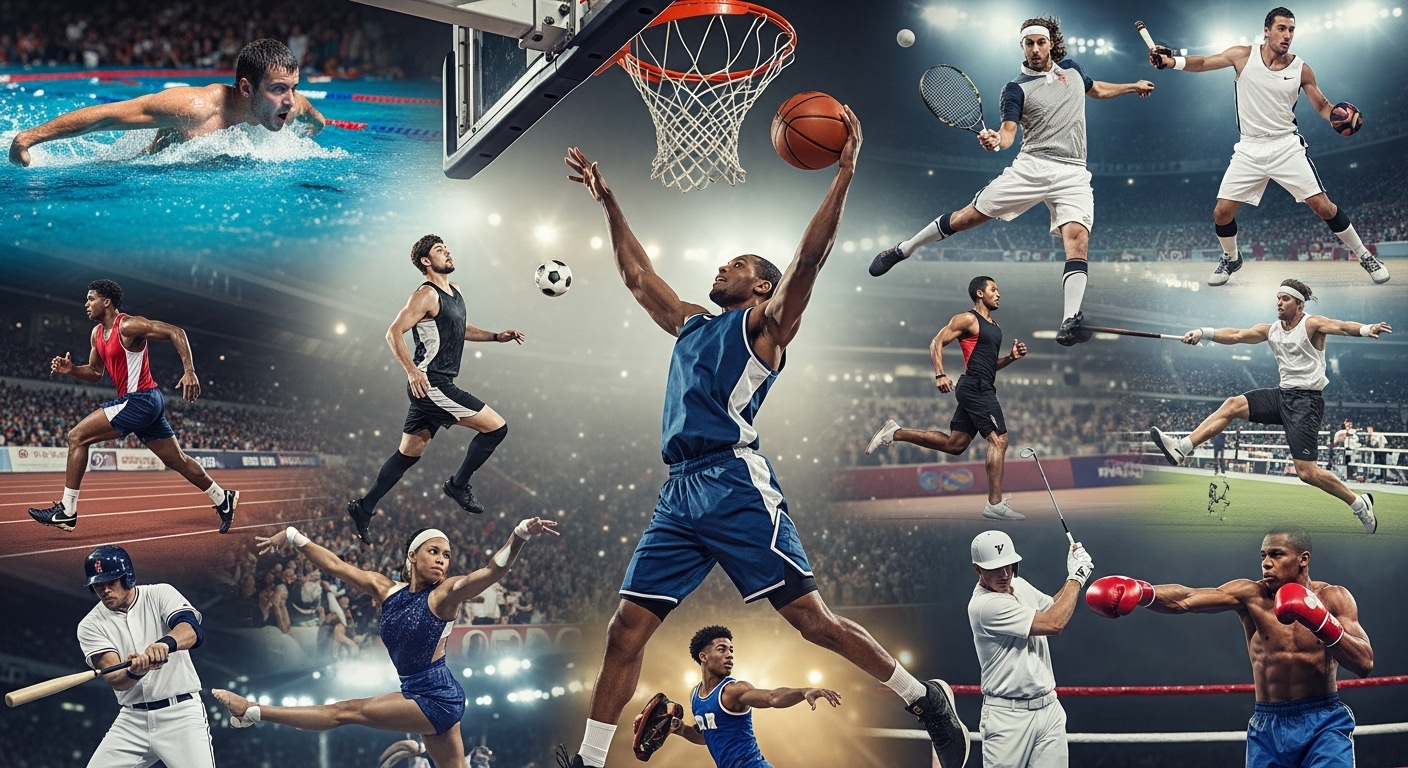
Sports are more than just games played on fields or courts. They are powerful cultural forces that unite people, inspire generations, and shape societies. From ancient civilizations to the modern-day Olympics, sports have evolved from simple recreational activities to global phenomena with far-reaching impacts on everything from personal development to social change. While sports provide entertainment and physical health benefits, their influence extends far beyond the game, touching on politics, economics, and identity.
This blog explores how sports transform lives, influence societies, and drive change in the world, demonstrating their multifaceted power.
The Universal Language of Sports
One of the most remarkable aspects of sports is their ability to unite people across cultural, linguistic, and geographical barriers. Whether you’re watching a football match in Brazil, a cricket game in India, or a basketball tournament in the United States, sports provide a universal language that transcends borders and brings people together.
Consider the global spectacle of the FIFA World Cup. Fans from different continents, with different languages and backgrounds, come together to cheer for their teams. In these moments, the world feels smaller, and people find common ground despite their differences. The power of sports to unite people is seen not only in global events but also in local communities, where teams and sporting events can help foster a sense of belonging.
Beyond the crowds of cheering fans, the influence of sports extends into the daily lives of individuals. For many, participation in sports provides a sense of purpose, identity, and community. It’s not just about watching athletes compete; it’s about feeling connected to something larger than oneself, whether it’s a local team or a national hero.
Sports and Personal Development
Sports offer significant benefits to individuals, contributing to both physical and mental development. They promote health, discipline, teamwork, and resilience. From a young age, engaging in sports helps children develop important life skills, such as time management, goal setting, and problem-solving.
On a physical level, playing sports improves cardiovascular health, builds strength, and enhances coordination. Regular physical activity is known to lower the risk of chronic diseases like heart disease, diabetes, and obesity. But the mental benefits are equally profound.
Athletes learn how to cope with pressure, deal with setbacks, and celebrate success. The process of training and competing helps individuals build confidence and develop a growth mindset. Losing a match teaches resilience and how to handle disappointment, while winning brings a sense of achievement and self-esteem.
Team sports, in particular, teach the value of collaboration and communication. Players must work together to achieve a common goal, often requiring individuals to put personal interests aside for the benefit of the group. This sense of cooperation fosters camaraderie, friendship, and mutual respect, all of which extend beyond the sports field.
The Economic Impact of Sports
The sports industry is a major global economic force. From professional leagues to international tournaments, sports generate billions of dollars in revenue each year. Major sporting events, such as the Olympics or the Super Bowl, attract millions of viewers worldwide and provide significant economic benefits to the host cities and countries.
Hosting a major sporting event can bring substantial financial benefits to a city, including increased tourism, infrastructure development, and job creation. The 2016 Summer Olympics in Rio de Janeiro, for example, led to billions of dollars in investments in infrastructure and tourism. Stadiums, roads, airports, and other facilities were built or renovated to accommodate the influx of visitors.
In addition to the direct financial benefits, sports drive economic activity in industries such as broadcasting, merchandise, and sponsorships. Professional athletes secure lucrative endorsement deals with major brands, further fueling the growth of the sports economy.
Sports also have a multiplier effect on local economies. Fans traveling to games or events spend money on hotels, food, transportation, and entertainment, benefiting local businesses and boosting the economy. This creates a thriving ecosystem around sports that supports a wide range of industries and services.
Sports as a Platform for Social Change
Sports are a powerful tool for social change, often used to raise awareness of important issues and challenge societal norms. Athletes and teams have historically played a significant role in pushing for political, racial, and gender equality.
One of the most notable examples of this was the civil rights movement in the United States. In 1968, during the Mexico City Olympics, American sprinters Tommie Smith and John Carlos raised their fists in a Black Power salute as a protest against racial inequality and injustice. The image of these athletes, standing with their fists raised in defiance, became one of the most iconic moments in both sports and political history.
In recent years, sports have continued to serve as a platform for activism. The Black Lives Matter movement gained significant traction when athletes like Colin Kaepernick used their platform to protest racial injustice. Kaepernick famously took a knee during the national anthem at NFL games as a peaceful protest against police brutality. His actions sparked a nationwide conversation about race, freedom of expression, and the role of athletes in advocating for change.
Sports also play an essential role in promoting gender equality. Female athletes, particularly in sports that were once dominated by men, have increasingly gained recognition and equal opportunities. Figures such as Serena Williams, Billie Jean King, and Megan Rapinoe have not only achieved remarkable athletic success but have used their platforms to advocate for equal pay, better representation, and increased opportunities for women in sports.
The Psychological Impact of Sports
Engaging in sports offers mental health benefits that are sometimes overlooked. Physical activity has long been associated with improved mood and mental well-being. Regular participation in sports reduces symptoms of stress, anxiety, and depression by releasing endorphins, the body’s natural “feel-good” chemicals.
Sports also help individuals develop coping mechanisms for handling life’s pressures. The mental toughness required to overcome setbacks, push through challenges, and maintain focus is a skill that translates to other aspects of life. Athletes often speak about the mental discipline required to succeed, whether it’s in training, during competition, or in navigating the highs and lows of their careers.
Sports can be particularly beneficial for youth, offering a structured environment where they can build self-esteem and develop positive habits. By participating in sports, young people can gain a sense of accomplishment, improve their social skills, and learn how to work collaboratively with others. For many young athletes, sports provide an alternative to negative influences and offer a healthy outlet for energy and creativity.
The Digital Revolution and Sports
As technology continues to advance, sports are becoming increasingly digitalized. From virtual reality (VR) experiences to real-time performance analysis, technology is changing how athletes train and compete. Fans, too, are benefiting from the digital revolution, with virtual experiences, interactive content, and instant access to live games and scores.
Virtual reality is now being used to enhance training, allowing athletes to simulate game scenarios and improve decision-making without the physical toll. Coaches and teams use data analytics to track an athlete’s performance, offering insights into how to improve technique, reduce injury risks, and optimize training regimens.
The rise of digital media has also transformed the fan experience. Streaming platforms, social media, and mobile apps allow fans to engage with sports content in new ways. They can now access live matches, behind-the-scenes footage, and player interactions instantly, all from the comfort of their own homes.
Additionally, esports, or competitive video gaming, has emerged as a dominant force in the world of sports. With millions of fans worldwide, esports tournaments are now broadcast globally, attracting sponsorships, endorsement deals, and the same level of excitement as traditional sports. The rise of esports is an indication of how technology is continuing to reshape the sports landscape and create new avenues for engagement.
Conclusion: The Enduring Legacy of Sports
Sports are much more than just games—they are a reflection of society, a source of personal and social transformation, and a platform for change. From uniting people of diverse backgrounds to providing opportunities for personal growth, sports have a profound impact on our lives. They transcend the boundaries of physical competition, becoming powerful vehicles for economic growth, social activism, mental health improvement, and technological innovation.
The global reach of sports continues to grow, and with it, their influence. As technology advances, sports will evolve, offering even more opportunities for athletes and fans alike to engage in new ways. However, one thing remains certain: the power of sports to inspire, unite, and transform will continue to shape societies for generations to come. Whether it’s through the inspiring performance of a lone athlete or the collective energy of a fanbase, sports will always hold a special place in our hearts and minds.