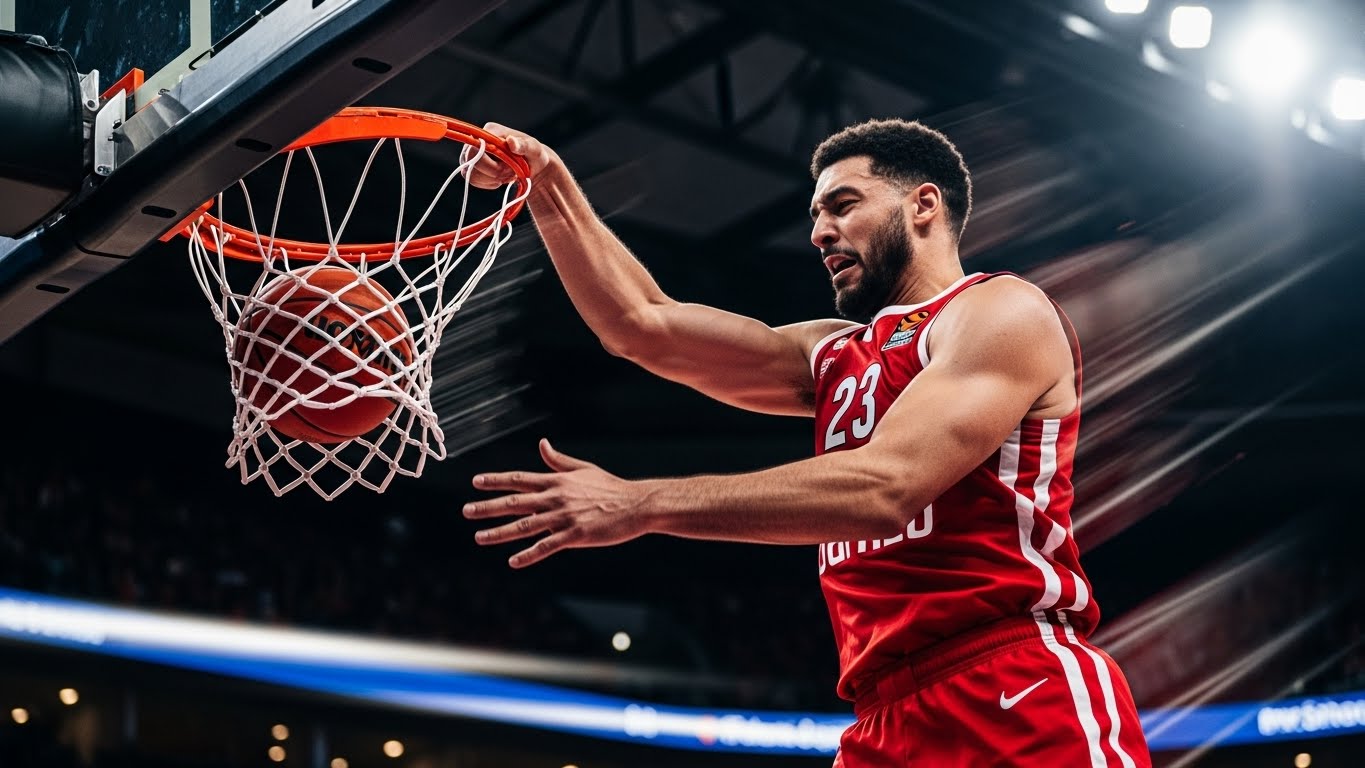
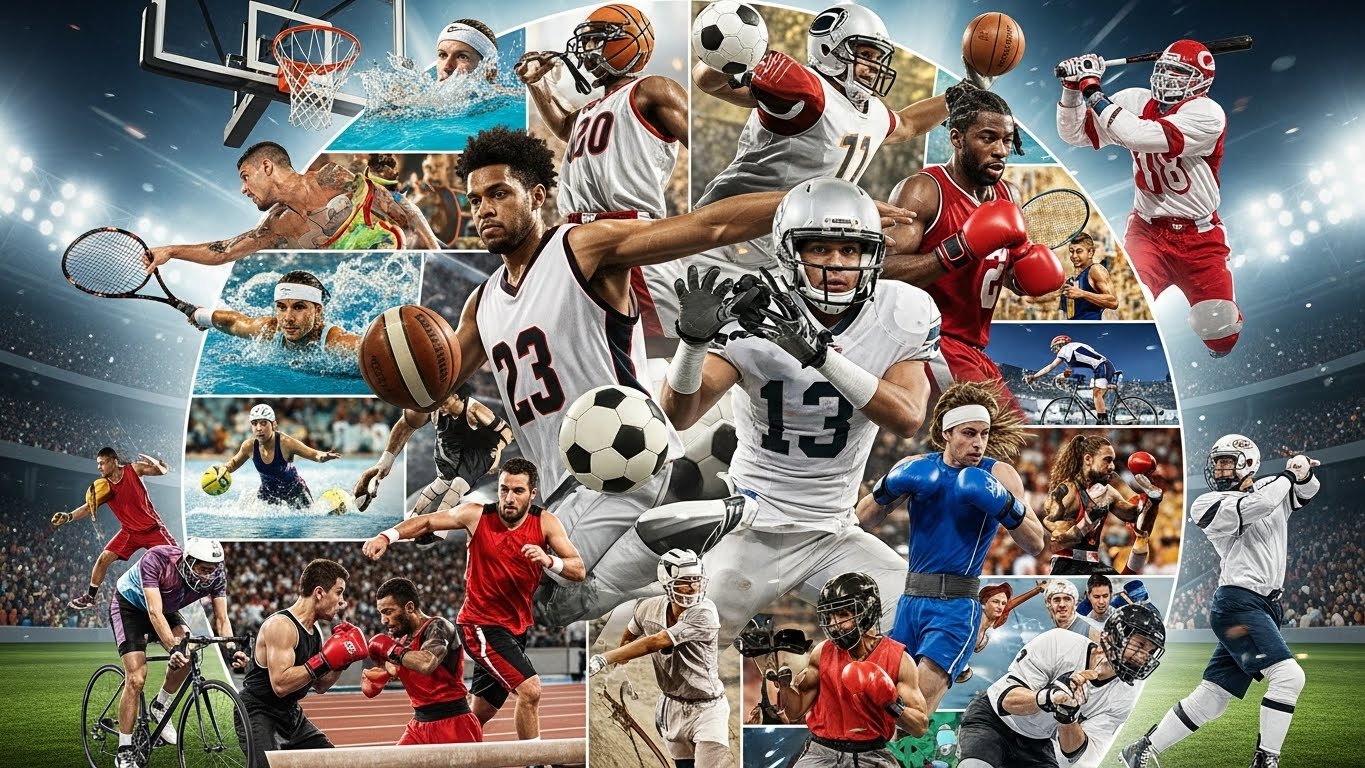
Sports have always been more than games. They are living stories of ambition, discipline, unity and the human craving for greatness. Today, in a world where digital noise is constant and distractions multiply by the minute, sports stand as a powerful reminder of what it means to strive for excellence. Whether it is the echo of a stadium, the synchronized breath of a team in motion or the solitary determination of an athlete training before sunrise, sports carry a silent pulse that connects people everywhere. This blog explores how modern sports influence identity, culture and personal growth in ways that are both profound and universal.
The Evolution Of Sport In The Modern Age
In earlier times, sports were rooted in tradition and locality. Communities played simple games on open fields and loyalty belonged to hometown teams. As the world expanded, sports evolved beyond geographical boundaries. Today they exist on global stages where millions tune in to watch athletes compete for national pride and personal glory. Technology, advanced training methods and international exposure have transformed sports into a worldwide language. The modern athlete is not only a competitor but a symbol of innovation and perseverance.
The Power Of Athlete Storytelling
Behind every great athlete lies a journey that inspires. These stories of struggle and triumph create emotional connections that transcend the boundaries of race, age and culture. A young child may see their hero overcoming adversity and feel encouraged to dream bigger. A person facing challenges in life may draw strength from witnessing the persistence of others. Sports bring these stories to the forefront and remind people that success is rarely instant, but rather earned through countless setbacks and unwavering commitment.
The Cultural Impact Of Sports
Sports shape culture in subtle yet powerful ways. Cities become known for their teams and victories become part of local identity. Even rivalries contribute to deep traditions that define communities. Festivals, celebrations and national holidays often revolve around sporting events. When a team wins a significant championship, entire nations unite in a rare moment of shared joy. In a world often divided by opinions and differences, sports offer something few other forces can: a sense of belonging.
The Rise Of Women In Sports
One of the most significant shifts in modern sports is the rise of women athletes gaining recognition and opportunities previously unavailable. Their achievements highlight strength, resilience and a refusal to accept limitations imposed by society. Women’s sports now fill arenas, inspire young girls and challenge outdated perceptions of athletic capability. This progress not only enriches the world of sports but also strengthens the global push for equality and representation in every field.
The Mental Health Discussion In Athletics
For many years, athletes were celebrated solely for physical strength. Today the conversation includes mental health, which has become a central part of sports performance and athlete wellbeing. High expectations, intense training schedules and constant public scrutiny can weigh heavily on athletes. The courage of sports figures who openly discuss anxiety, stress and burnout has normalized these challenges. Their honesty shows that being strong includes acknowledging vulnerability and seeking support.
Team Spirit And Human Connection
Team sports emphasize something essential about life: we are stronger together. Working with others toward a common goal teaches trust, communication and empathy. A team is more than a group of players. It is a community that celebrates victories together, learns from defeats and grows through shared experiences. These lessons extend far beyond the field. People who learn teamwork in sports often carry those values into their workplaces, families and social interactions.
Individual Sports And Personal Discipline
While team sports teach collaboration, individual sports highlight internal discipline. Athletes who compete solo must rely on themselves in crucial moments. They learn how to push past doubt, stay focused under pressure and take responsibility for their progress. Whether through swimming, running, tennis or martial arts, individual sports build independence and mental toughness. These athletes remind us that personal success requires dedication even when no one is watching.
Sports As A Bridge Between Generations
Sports connect generations in a way few traditions can. A grandparent teaching a child how to throw a ball or recounting memories of historic games creates a bond that transcends age. Families often share routines like watching weekend matches together or attending local games. These rituals become treasured memories that strengthen relationships. In this way, sports carry legacy forward and build continuity across time.
The Role Of Sports In Education
Schools and universities recognize the value of sports in shaping students. Athletic programs teach time management, responsibility and resilience. Students involved in sports often perform better academically because discipline on the field transfers to their studies. Sporting events also build school pride and give students opportunities to shine in diverse ways. Education becomes richer when it embraces both intellectual and physical development.
Sports And Global Unity
International tournaments create unforgettable moments of unity. When nations compete respectfully, sports become a celebration of diversity. Spectators from opposite sides of the world share excitement, tension and admiration. These moments remind humanity of its shared values and the beauty of friendly competition. Sports cannot erase differences, but they can help people appreciate each other beyond political or cultural divides.
The Economics Of Sports
The sports industry has become a massive global economy. It supports jobs, tourism, merchandise and media. Stadiums boost local business and major tournaments generate revenue that can transform cities. Athletes become influential figures whose endorsements shape brands and markets. Understanding the economics of sports reveals how deeply it is embedded in global structures, not just entertainment but also development and opportunity.
The Future Of Sports Technology
Technology promises to redefine the future of sports. Advanced sensors, smart training devices and analytics now assist athletes in improving performance with precision. Virtual reality offers immersive training experiences and allows fans unprecedented engagement. Innovations in injury prevention and recovery extend athletic careers and enhance safety. As technology evolves, sports will continue to blend tradition with modern breakthroughs, creating a richer and more dynamic experience.
Why Sports Matter in Everyday Life
Even for people who do not play or watch games regularly, sports influence daily life by encouraging physical activity, fair competition and healthy habits. The sports mindset teaches individuals to set goals, stay consistent and learn from setbacks. These life skills benefit everyone, regardless of athletic ability.
Conclusion: The Unseen Music Of Movement
Sports may appear simple on the surface, but beneath every victory lies a symphony of effort, teamwork, identity and emotion. They remind us that human potential is limitless when fueled by passion and purpose. In every athlete’s stride, every cheer from a crowd and every shared moment of triumph, there is a silent pulse that beats across cultures and generations. That pulse is what makes sports more than games. It makes them a timeless force that continues to inspire and shape the world.
If you want, I can format this into a more SEO friendly blog or add keywords for ranking.