
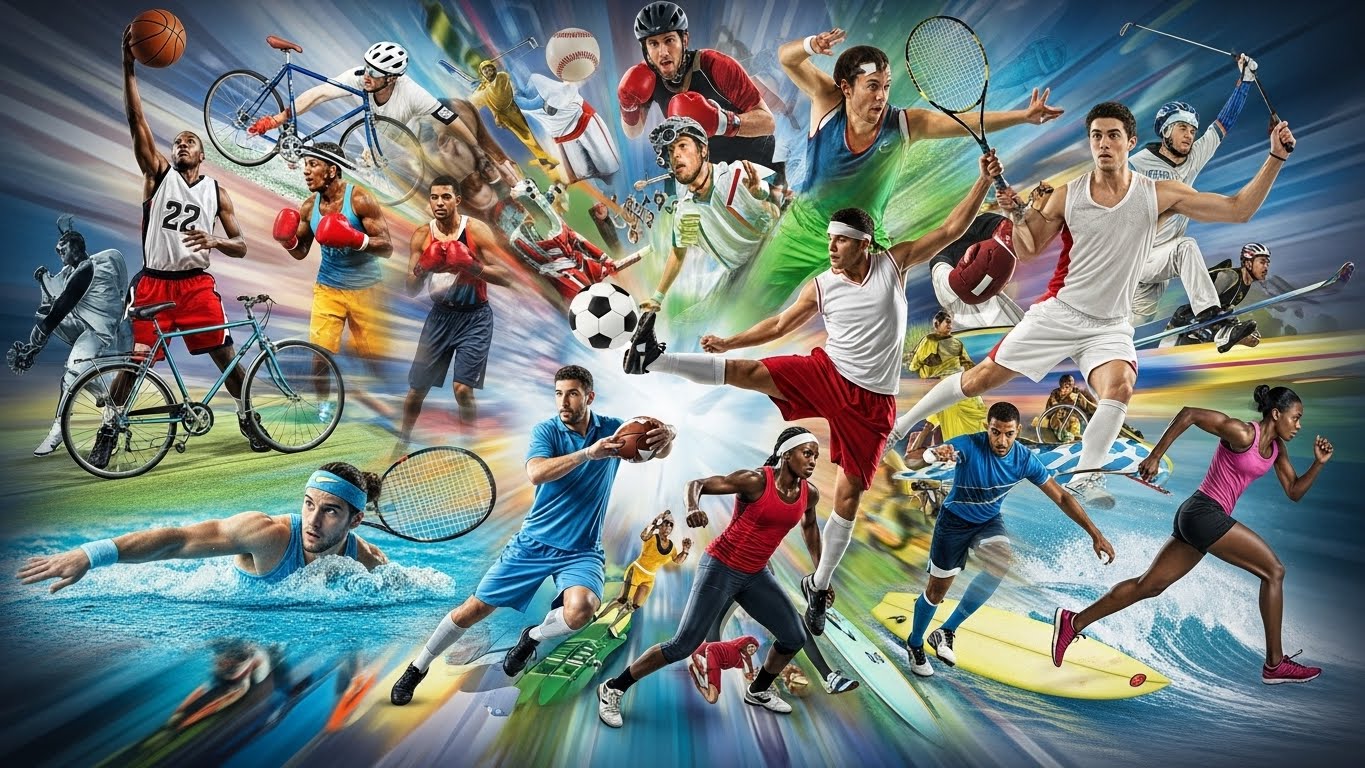
Introduction: The Universal Appeal of Sports
Sports have been a fundamental part of human culture for centuries, serving as a source of entertainment, competition, and personal growth. From ancient Olympic games to modern professional leagues, sports inspire passion, dedication, and teamwork. They transcend borders, languages, and cultures, creating a universal language of competition and camaraderie. Beyond the thrill of victory and the agony of defeat, sports shape character, build communities, and influence social and cultural dynamics. This blog explores the multifaceted world of sports, its evolution, impact on individuals and society, and its role in shaping modern life.
The Evolution of Sports
Sports have evolved alongside human civilization. Ancient civilizations used physical competition as a form of entertainment, ritual, and military training. The Greek Olympics, dating back over two millennia, introduced organized competitions that celebrated athleticism, honor, and unity. Over time, sports diversified into various disciplines, including team sports, individual events, and extreme activities. Modern sports have been formalized with standardized rules, professional leagues, and international competitions. Technological advancements, media coverage, and global connectivity have further transformed sports into a multi-billion-dollar industry with worldwide audiences and professional athletes who are admired as role models.
The Physical and Mental Benefits of Sports
Engaging in sports provides extensive physical and mental benefits. Physically, sports improve cardiovascular health, strength, flexibility, and coordination. Regular participation reduces the risk of chronic diseases, enhances stamina, and promotes overall well-being. Mentally, sports encourage focus, discipline, and resilience. Athletes learn to cope with pressure, manage stress, and develop problem-solving skills. Participation in sports also fosters confidence, perseverance, and a sense of achievement. Whether playing casually or competitively, sports contribute to a balanced, healthy lifestyle, promoting both physical and emotional wellness.
Sports as a Tool for Character Development
Sports play a significant role in shaping character and personal values. Team sports teach collaboration, communication, and mutual respect, while individual sports instill self-discipline, accountability, and strategic thinking. Athletes learn the importance of fair play, integrity, and perseverance, applying these lessons to other aspects of life. Overcoming setbacks, injuries, or losses teaches resilience and adaptability. Sports also encourage goal-setting, motivation, and a strong work ethic, providing valuable life skills that extend beyond the playing field and into professional, academic, and personal pursuits.
The Social Impact of Sports
Sports have the power to unite communities and foster social cohesion. Local clubs, school teams, and recreational leagues bring people together, creating shared experiences and lasting friendships. National and international sporting events, such as the FIFA World Cup or the Olympic Games, inspire pride, solidarity, and cultural exchange. Sports also promote inclusion, providing opportunities for individuals of all ages, genders, and abilities to participate. Initiatives in adaptive sports ensure that differently-abled individuals can engage in athletic activities, fostering equality and empowerment. The social dimension of sports strengthens bonds, encourages teamwork, and bridges societal divides.
Professional Sports and Entertainment
Professional sports have grown into a major form of global entertainment. Leagues, tournaments, and championships attract millions of fans, creating cultural phenomena around teams, athletes, and rivalries. Professional athletes are celebrated not only for their performance but also for their influence as role models and public figures. Sports broadcasting and media coverage allow fans to engage with events in real time, while digital platforms enable global fan communities. The commercialization of sports also drives economic growth, generating revenue through ticket sales, merchandise, sponsorships, and advertising, illustrating how sports have become a powerful industry that combines competition, entertainment, and commerce.
Women in Sports
The participation of women in sports has seen remarkable progress over the years. Female athletes now compete at professional levels, break records, and inspire future generations. Women’s sports leagues, tournaments, and international competitions continue to gain recognition and support, challenging traditional gender norms. The success of female athletes demonstrates that skill, dedication, and passion are not limited by gender. Encouraging participation in sports from a young age helps promote equality, self-confidence, and leadership, ensuring that sports remain an inclusive arena for talent and achievement.
The Role of Technology in Sports
Technology has revolutionized the way sports are played, viewed, and analyzed. Wearable devices track performance metrics, monitor health, and optimize training. Video analysis and motion capture enhance coaching, strategy, and skill development. Broadcast technology, including instant replay and virtual graphics, enriches the viewing experience for fans worldwide. Even fan engagement has transformed through social media platforms, interactive apps, and virtual reality experiences. Technology enhances performance, safety, and entertainment value, creating a more dynamic and informed sporting experience for players and audiences alike.
Youth Sports and Development
Youth participation in sports is essential for personal development and health. Children learn teamwork, discipline, leadership, and social skills through organized play. Sports provide a constructive outlet for energy, reduce the risk of sedentary behavior, and instill lifelong habits of physical activity. Competitive and recreational programs foster confidence, resilience, and problem-solving abilities. Youth sports also create pathways for talent identification, allowing gifted individuals to pursue professional careers while emphasizing the importance of ethics, fair play, and enjoyment.
Sports as a Cultural and Global Phenomenon
Sports are deeply intertwined with culture and identity. National pride, regional rivalries, and local traditions shape sporting events around the world. From cricket in South Asia to soccer in Europe, basketball in North America, and martial arts in East Asia, sports reflect societal values, heritage, and passion. International competitions, such as the Olympics and world championships, foster cross-cultural understanding, collaboration, and friendly rivalry. Sports transcend language and geography, creating a global language of unity, celebration, and shared human experience.
Sports and Mental Health
Participation in sports has significant mental health benefits. Physical activity releases endorphins that reduce stress, anxiety, and depression. Sports also provide structured routines, goal-setting opportunities, and social interaction, which are essential for emotional well-being. Team sports foster camaraderie and mutual support, while individual sports offer mindfulness, focus, and self-reflection. Engaging in regular sports activity helps individuals develop coping mechanisms, resilience, and emotional intelligence, illustrating that the benefits of sports extend beyond physical fitness to encompass mental and emotional health.
Extreme Sports and Adventure
Extreme sports push the boundaries of human ability, combining adrenaline, skill, and risk. Activities such as rock climbing, skydiving, surfing, and snowboarding test physical endurance, mental focus, and courage. Extreme sports attract thrill-seekers and adventurers, offering unique experiences that challenge conventional limits. These activities also promote self-discovery, problem-solving, and environmental awareness. While safety and preparation are critical, extreme sports demonstrate the human desire for challenge, excitement, and pushing personal boundaries, reflecting the adventurous spirit inherent in sports.
Sports and Economic Influence
Sports contribute significantly to the global economy. Professional leagues, stadium construction, sports tourism, merchandising, and broadcasting create substantial revenue streams. Major events like the Olympics and World Cup boost local economies through tourism, infrastructure, and media coverage. Sponsorships, endorsements, and sports-related media content provide income for athletes, teams, and organizations. The economic impact of sports extends to job creation, innovation, and community development, highlighting the integral role of sports as both a cultural and financial powerhouse.
The Future of Sports
The future of sports promises continued innovation, inclusivity, and global engagement. Technology will enhance performance tracking, fan experience, and accessibility. Virtual reality, augmented reality, and esports will expand opportunities for participation and entertainment. Women’s and adaptive sports will gain further recognition and support, promoting equality and diversity. Sports will continue to serve as a platform for education, social development, and global unity. The evolution of sports will reflect societal changes, technological progress, and the enduring human passion for competition, achievement, and collaboration.
Conclusion: The Transformative Power of Sports
Sports are far more than games—they are a transformative force in society. They enhance physical and mental health, build character, unite communities, and inspire cultural pride. From local leagues to international competitions, from casual recreation to professional careers, sports provide opportunities for growth, connection, and achievement. The future of sports is intertwined with technology, inclusivity, and innovation, ensuring that this universal human pursuit continues to evolve and inspire generations. Through sports, humans experience the thrill of competition, the joy of teamwork, and the power of perseverance, making it a vital part of life and culture.