
Introduction
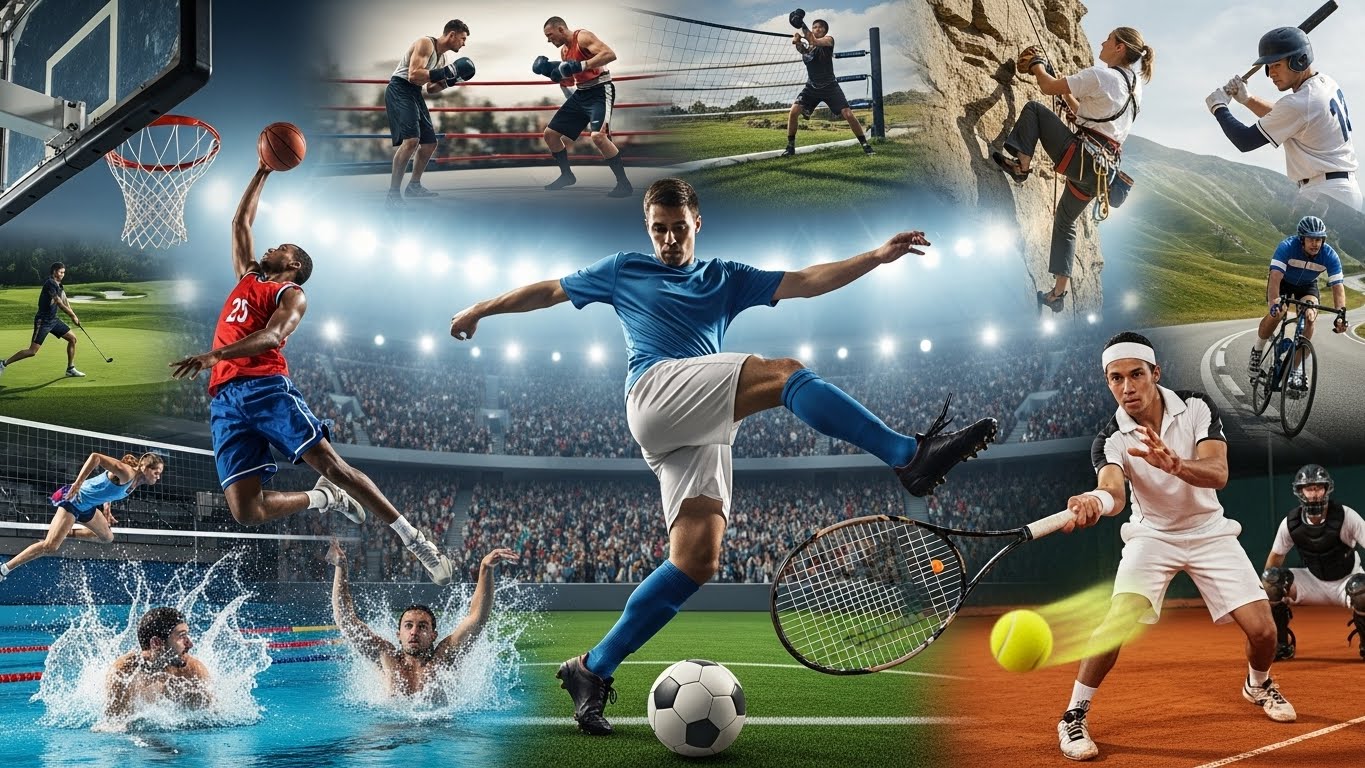
Sports have been a cornerstone of human civilization for centuries, providing entertainment, competition, and a sense of community. From ancient games like the Olympics in Greece to contemporary global events, sports continue to influence our lives in numerous ways. They are not merely activities; they are a way to cultivate discipline, build character, and foster social connections. In this blog, we explore the multifaceted role of sports, including their physical, mental, social, and cultural impacts.
Physical Benefits of Sports
One of the most apparent advantages of participating in sports is the enhancement of physical health. Sports improve cardiovascular endurance, strengthen muscles, and enhance flexibility. Regular physical activity through sports reduces the risk of chronic diseases such as obesity, diabetes, and heart conditions. Sports like swimming, running, football, and basketball engage multiple muscle groups, enhancing stamina and overall fitness. For children and adolescents, sports provide a healthy outlet for energy, promoting growth, coordination, and motor skills. Physical activity is also linked to better sleep patterns and increased energy levels, contributing to a more active and fulfilling lifestyle.
Mental Health and Emotional Well-Being
Sports are not only beneficial for the body but also for the mind. Engaging in sports activities triggers the release of endorphins, often referred to as “happiness hormones,” which help alleviate stress, anxiety, and depression. Mental sharpness, focus, and concentration are improved through regular training and strategic gameplay. Team sports, in particular, enhance social interaction and foster a sense of belonging, which reduces feelings of isolation. The process of setting goals, working to achieve them, and overcoming challenges in sports builds confidence and resilience. Experiencing both victories and defeats teaches emotional regulation, helping individuals cope better with real-life challenges.
Teamwork and Collaboration
One of the most valuable lessons sports teach is teamwork. No matter the sport, success often relies on the coordinated effort of all team members. Playing in a team fosters communication, cooperation, and empathy, as athletes learn to support and trust one another. Sports also develop leadership skills, as captains or senior players guide their teammates, strategize during matches, and handle conflicts. These experiences translate into real-life skills essential for professional environments and personal relationships. The camaraderie built through sports often lasts a lifetime, creating friendships and networks beyond the playing field.
Discipline and Goal Setting
Participation in sports requires dedication, time management, and discipline. Athletes must follow strict training schedules, maintain proper nutrition, and consistently strive to improve their skills. This structured approach teaches individuals the value of hard work and persistence. Sports encourage the habit of setting short-term and long-term goals, analyzing performance, and learning from mistakes. The discipline developed on the field often carries over into academics, careers, and personal development. Individuals who engage in sports regularly learn to prioritize their tasks, manage their time efficiently, and remain committed to their objectives.
Sports as a Cultural Unifier
Sports have the unique ability to transcend cultural, social, and political boundaries. International events like the World Cup, the Olympics, and various world championships bring people together, celebrating shared passion and talent. Sporting events foster national pride, but they also create global connections, promoting understanding and camaraderie between diverse communities. Local sports events, such as school tournaments or community leagues, contribute to social cohesion, bringing people together to celebrate collective achievements. The cultural significance of sports extends to art, literature, and media, reflecting human stories of perseverance, teamwork, and excellence.
Economic Impact of Sports
The sports industry is a major contributor to the global economy. Professional leagues, endorsements, sponsorships, and merchandise sales generate billions of dollars annually. Hosting major sporting events stimulates tourism, creates employment, and encourages infrastructure development. Sports academies and training centers nurture talent while providing economic opportunities for coaches, trainers, and support staff. Beyond professional sports, local and grassroots initiatives also have economic value, supporting small businesses, sporting goods manufacturers, and event organizers. While commercialization has led to debates about profit versus passion, the economic benefits of sports are undeniable and contribute to societal development.
Technological Advancements in Sports
Technology has revolutionized sports in recent decades. From performance-enhancing equipment to advanced analytics, technology helps athletes maximize their potential and avoid injuries. Wearable devices track performance metrics, providing real-time insights into speed, endurance, and recovery. Video-assisted refereeing systems ensure fair play, while data analytics help coaches develop better strategies. Broadcasting advancements and online platforms allow fans worldwide to experience live events in immersive ways. Technology has also made sports more inclusive, with adaptive tools enabling differently-abled athletes to compete at the highest levels.
Women in Sports
The rise of women in sports has been one of the most remarkable changes in recent decades. Female athletes are breaking records, challenging stereotypes, and gaining recognition at both national and international levels. Promoting gender equality in sports encourages young girls to participate, develop skills, and pursue professional careers. Women’s sports leagues are increasingly celebrated, highlighting talent and dedication irrespective of gender. Representation matters, and successful female athletes inspire the next generation to dream bigger and aim higher. As society progresses, sports continue to serve as a platform for empowerment, equality, and social change.
Sports and Education
Sports play a crucial role in education, contributing to the holistic development of students. Schools and universities that integrate sports into their curriculum nurture both physical and mental well-being. Sports teach students responsibility, teamwork, and time management, complementing academic growth. Scholarships and athletic programs provide opportunities for talented individuals to pursue higher education while developing their sports careers. Educational institutions that prioritize sports help create well-rounded individuals equipped with life skills such as leadership, resilience, and strategic thinking. Sports in education ensure that students lead balanced lives and cultivate habits that promote lifelong health and success.
Overcoming Adversity Through Sports
Sports teach individuals to confront and overcome challenges. Athletes face injuries, losses, and intense competition, which cultivate mental strength and resilience. These experiences help individuals develop perseverance, problem-solving abilities, and a growth mindset. Sports also teach humility in victory and grace in defeat, fostering emotional intelligence. In underserved communities, sports offer opportunities for personal growth, social mobility, and hope. By learning to overcome obstacles on the field, athletes acquire skills that prepare them for challenges in all aspects of life.
The Future of Sports
The future of sports is exciting and dynamic. Emerging disciplines, esports, adventure sports, and adaptive sports are expanding the definition of athleticism. Inclusivity, sustainability, and ethical practices are becoming central to sports management. Athletes are using their platforms to promote social causes and influence positive change in society. Technology continues to enhance training, fan engagement, and performance monitoring. As sports evolve, they remain a powerful force that unites people, inspires personal growth, and celebrates human potential. The future promises a blend of tradition and innovation, ensuring that sports remain a central part of our lives for generations to come.
Conclusion
Sports are far more than a form of entertainment; they shape individuals and society in profound ways. They improve physical health, enhance mental well-being, cultivate teamwork, discipline, and leadership skills, and foster cultural and economic growth. From grassroots participation to professional leagues, sports teach resilience, goal-setting, and emotional intelligence. They unite communities, inspire generations, and serve as a platform for equality and empowerment. The true power of sports lies not only in competition but also in the lessons learned, the relationships built, and the personal and social growth they inspire. Embracing sports as a lifestyle enriches life and nurtures a healthier, more connected, and resilient society.