
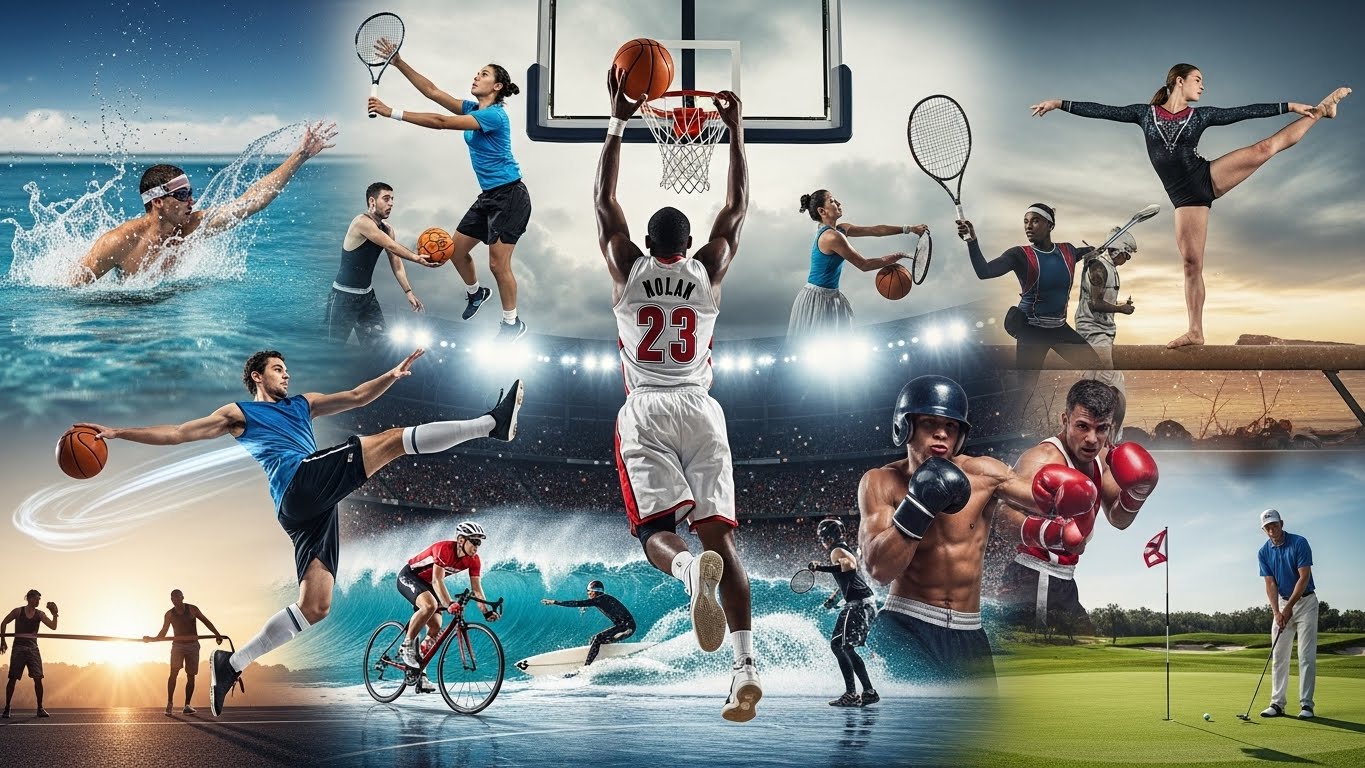
Sports have been an integral part of human society for centuries. They are far more than recreational activities or professional competitions; sports are a reflection of human resilience, teamwork, and ambition. From small community games to global tournaments, sports influence physical health, mental well-being, social interaction, and cultural identity. In this blog, we explore the role of sports in society, their benefits, historical evolution, challenges, and how they continue to shape lives today.
A Historical Perspective on Sports
The history of sports dates back thousands of years. Ancient civilizations used games and competitions for training, entertainment, and religious purposes. The Olympic Games in ancient Greece showcased athletic talent and cultural pride, a tradition that still inspires the modern Olympics. Similarly, ancient Egypt, China, and Mesoamerican societies engaged in sports like wrestling, archery, and ball games to celebrate skill, strength, and agility.
Sports have always mirrored societal values. Competitions in ancient times emphasized courage, strategy, and endurance—qualities admired across cultures. Over centuries, informal competitions evolved into organized sports with established rules, governing bodies, and professional athletes. This evolution shows that sports are more than games; they are a vital part of human civilization.
Physical Benefits of Sports
The most apparent advantage of sports is its impact on physical health. Regular participation in sports improves cardiovascular health, strengthens muscles, increases flexibility, and enhances overall endurance. Engaging in physical activity reduces the risk of chronic diseases such as diabetes, heart disease, and obesity.
Sports also promote motor skills and coordination. Children who participate in sports develop agility, balance, and reflexes, laying a foundation for healthy growth. For adults, sports serve as a means to maintain physical fitness, improve posture, and manage body weight effectively. Physical activity, combined with proper training, nutrition, and rest, ensures long-term health and vitality.
Mental Health Benefits
Sports are not only beneficial for the body but also for the mind. Physical activity stimulates the release of endorphins, which help reduce stress, anxiety, and depression. Athletes often report a heightened sense of well-being, improved concentration, and better emotional regulation.
Engaging in sports also teaches resilience. Athletes face wins, losses, and challenges that require focus, patience, and determination. These experiences foster mental toughness and perseverance. Sports also enhance cognitive abilities, including strategic thinking, problem-solving, and decision-making skills, particularly in team-based or competitive scenarios.
Sports as a Tool for Social Connection
One of the most profound aspects of sports is its ability to bring people together. Local matches, school tournaments, and professional leagues create opportunities for individuals to connect, share experiences, and form lifelong friendships. Sports are a universal language that transcends cultural, linguistic, and social boundaries.
In professional arenas, sports foster national pride. International competitions, such as the FIFA World Cup or the Olympic Games, unite entire nations in support of their athletes. Beyond nationalism, sports also promote global unity. International tournaments facilitate cultural exchange, mutual respect, and understanding among participants and spectators.
Youth Development Through Sports
Sports play a critical role in youth development. Participation teaches valuable life skills such as teamwork, leadership, communication, and time management. Children learn to set goals, work diligently toward them, and handle both success and failure constructively.
Youth sports also provide positive outlets for energy and creativity. Structured physical activity reduces the likelihood of negative behaviors and fosters discipline. Early exposure to sports often instills lifelong habits of physical activity, contributing to healthier lifestyles in adulthood.
Professional Sports and the Entertainment Industry
Professional sports have become a major form of entertainment globally. Leagues and tournaments attract millions of viewers, generating revenue through ticket sales, broadcasting rights, sponsorships, and merchandise. Athletes have become cultural icons, influencing fashion, media, and even social movements.
Professional sports also push the boundaries of human performance. Innovations in training, nutrition, and sports science enable athletes to achieve remarkable feats. World records are constantly challenged, inspiring new generations and driving technological advancements in sports equipment and analytics.
Sports and Technology
Technology has transformed how sports are played, analyzed, and experienced. Video replay systems, wearable fitness trackers, and performance analytics tools enhance training and coaching strategies. Fans benefit from real-time statistics, interactive broadcasts, and immersive experiences that bring them closer to the action.
Technology has also made sports more inclusive. Adaptive equipment and innovations in prosthetics allow athletes with disabilities to compete at high levels. Events like the Paralympic Games showcase talent, resilience, and the evolving nature of competitive sports.
Psychological Impact of Sports
Sports have significant psychological benefits beyond physical fitness. Achieving goals and mastering skills boosts self-confidence and self-esteem. Athletes learn to cope with pressure, maintain focus, and recover from setbacks—skills that are transferable to personal and professional life.
For spectators, sports provide emotional engagement. Watching live matches or cheering for a favorite team offers excitement, relief, and a sense of community. Sports can also serve as a coping mechanism, helping individuals manage stress, grief, or life transitions through structured activity and engagement.
Gender and Inclusivity in Sports
Historically, sports were male-dominated, but this trend has changed significantly. Women’s sports have gained recognition, popularity, and professional opportunities. Female athletes are breaking records, challenging stereotypes, and inspiring new generations.
Inclusivity extends beyond gender. Efforts to provide opportunities for people of varying abilities, ages, and backgrounds have grown. Inclusive sports programs empower marginalized communities, offering access to physical activity and competitive opportunities that were previously limited.
Economic and Cultural Impact of Sports
Sports contribute significantly to both local and global economies. Major events stimulate tourism, create jobs, and drive infrastructure development. Cities hosting international tournaments often see long-term improvements in transportation, stadium facilities, and urban planning.
Culturally, sports influence media, fashion, and social narratives. Iconic sporting moments become part of collective memory, inspiring stories, films, and art. Athletes often use their platforms to drive social change, raise awareness about global issues, and promote charitable causes. Sports thus intersect with both culture and commerce in meaningful ways.
Challenges in the World of Sports
Despite its benefits, sports face several challenges. Issues such as doping, corruption, commercialization, and inequality can undermine fair play. Professional athletes often face immense pressure, leading to mental health struggles and burnout.
Youth sports sometimes overemphasize winning, which can overshadow the benefits of personal development and enjoyment. Promoting fair play, ethics, and holistic development is crucial to sustaining the positive impact of sports at all levels.
The Future of Sports
The future of sports is shaped by technology, globalization, and changing societal values. Virtual and augmented reality are creating new ways to experience sports. Data analytics continues to improve performance, training, and fan engagement. Global access to sports is increasing, allowing people in remote regions to participate and compete at high levels.
Sports will continue to be a critical part of human culture, promoting physical health, mental resilience, community engagement, and social change. They remind us of universal human qualities: ambition, courage, teamwork, and the joy of shared experiences.
Conclusion: More Than a Game
Sports are more than games; they are a reflection of human spirit and societal progress. They promote physical fitness, mental health, social cohesion, and cultural identity. From grassroots activities to professional leagues, sports unite people across boundaries, inspire individuals to reach new heights, and foster communities built on shared passion.
Every match, every training session, and every record broken reminds us that sports are an essential part of the human experience. They challenge us to push limits, build resilience, and celebrate achievement, both individually and collectively. Sports are not merely entertainment—they are a cornerstone of life, culture, and the enduring human spirit.