
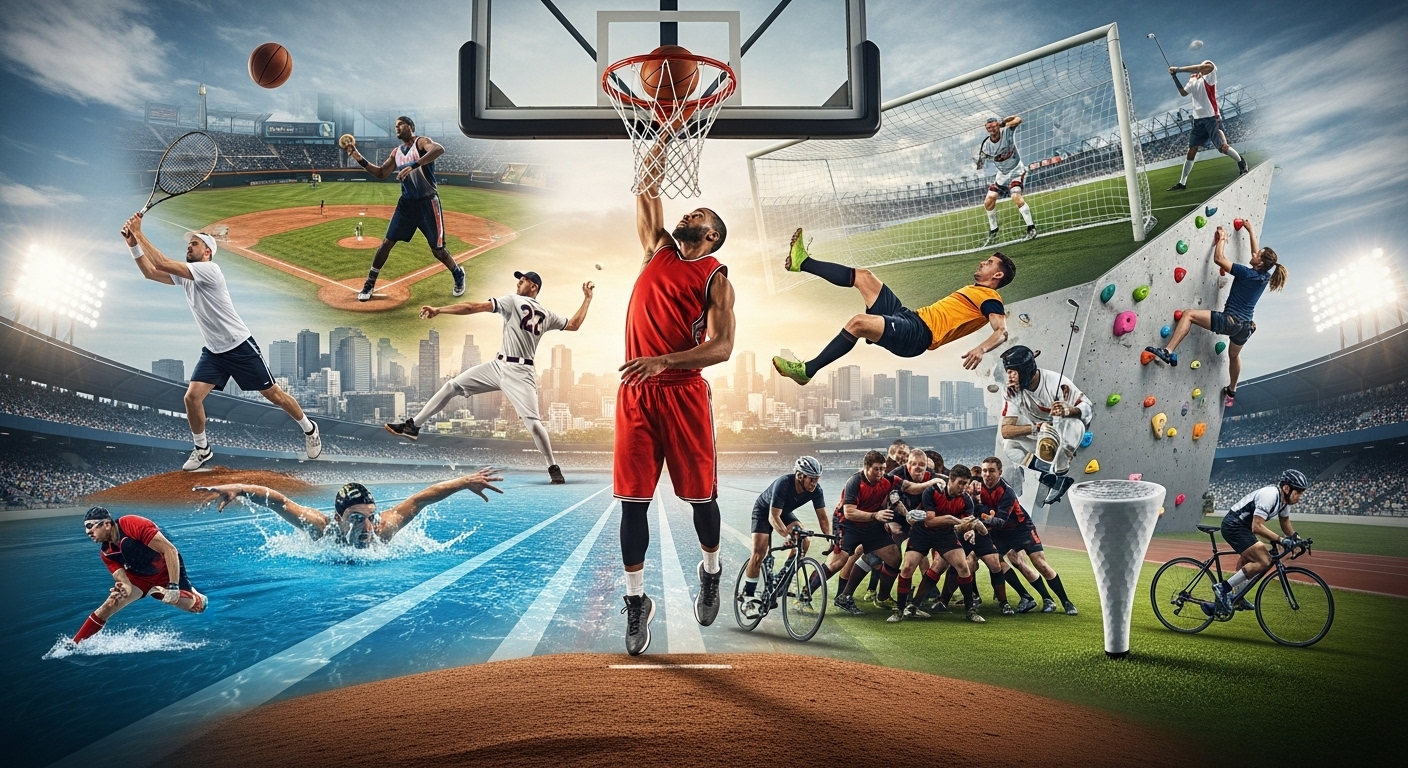
Sports have been an integral part of human civilization for thousands of years. From the ancient Olympic Games in Greece to the modern international spectacles, sports have played a profound role in shaping cultures, communities, and individual lives. Beyond mere entertainment, sports carry the power to inspire, unite, and transform. In this blog, we explore the multifaceted world of sports, its cultural significance, benefits, and the evolution that has shaped its modern-day form.
The Historical Roots of Sports
The origins of sports date back to ancient civilizations, where physical activities often had ritualistic, military, or celebratory purposes. Ancient Egyptians participated in wrestling, swimming, and archery, while Mesopotamians engaged in running and ball games. The Greeks formalized sports into competitive events, giving birth to the Olympics in 776 BCE. These events were more than games—they symbolized honor, strength, and excellence.
In the Roman era, gladiatorial games and chariot races showcased not only physical prowess but also political influence and societal hierarchy. With the fall of the Roman Empire, organized sports declined in Europe but persisted in other cultures. Traditional games in Asia, Africa, and the Americas reflected local customs, spiritual beliefs, and social structures. The evolution of sports is intertwined with human progress, reflecting the values, aspirations, and priorities of different societies.
The Universal Appeal of Sports
One of the most remarkable aspects of sports is its universality. Regardless of culture, language, or geography, sports resonate with people everywhere. Football, cricket, basketball, and tennis enjoy global followings, transcending borders and creating shared experiences. The universal appeal lies in the fundamental human fascination with competition, achievement, and the display of skill.
Sports also serve as a universal language, fostering communication and camaraderie. International tournaments like the FIFA World Cup or the Olympics bring together athletes and fans from all corners of the globe. These events allow people to celebrate differences while finding common ground in the thrill of competition. In a world often divided by politics, religion, and ideology, sports have the unique power to unite.
Physical and Mental Benefits of Sports
Participation in sports offers extensive physical and mental benefits. On the physical front, sports enhance cardiovascular health, strength, flexibility, and endurance. Activities like swimming, running, and cycling improve overall fitness, while team sports like football and basketball encourage coordination and agility. Beyond the body, sports instill habits of discipline, time management, and perseverance.
Mentally, sports reduce stress, anxiety, and depression. Engaging in regular physical activity releases endorphins, which elevate mood and promote mental well-being. Sports also enhance cognitive abilities such as focus, problem-solving, and decision-making. The experience of winning and losing teaches resilience, patience, and emotional intelligence. For children and young adults, sports foster social skills, teamwork, and leadership, which are invaluable for personal and professional growth.
Sports as a Cultural Phenomenon
Sports are deeply embedded in cultural identity. Different nations take pride in their traditional games and celebrated athletes. In India, cricket is not just a game but a religion for millions, influencing social interactions, festivals, and even politics. In the United States, baseball and American football carry historical and regional significance, shaping local traditions and community spirit.
Cultural narratives in sports often transcend individual achievements. Legendary athletes like Pelé, Muhammad Ali, Serena Williams, and Sachin Tendulkar symbolize perseverance, excellence, and social change. Their stories inspire generations, transcending the boundaries of the playing field. Sports also reflect societal values, from fair play and integrity to ambition and collective effort.
The Role of Sports in Education
Educational institutions worldwide recognize the importance of sports in shaping well-rounded individuals. Physical education programs, inter-school competitions, and college-level sports cultivate teamwork, discipline, and leadership skills. Participation in sports enhances academic performance by promoting better concentration, time management, and a healthy lifestyle.
Furthermore, scholarships and professional opportunities in sports allow talented students to pursue higher education while excelling in athletics. Many universities and colleges prioritize sports achievements, understanding that athletic excellence complements intellectual growth. Schools that emphasize sports nurture not only skilled athletes but also confident, motivated, and resilient individuals ready to face life’s challenges.
Economic and Professional Aspects of Sports
The sports industry has evolved into a global economic powerhouse. Professional leagues, endorsements, merchandising, broadcasting rights, and sponsorships generate billions of dollars annually. Football, cricket, basketball, and tennis are not only cultural phenomena but also major commercial enterprises. Successful athletes earn substantial incomes, while sports organizations contribute significantly to national economies.
Sports tourism is another booming sector. Fans travel across countries to witness tournaments, boosting local businesses, hospitality, and infrastructure. Stadiums, training facilities, and sports academies create employment opportunities and stimulate economic growth. The professionalization of sports has turned passion into a viable career path, motivating millions of young athletes to pursue excellence.
Technology and Innovation in Sports
Technological advancements have revolutionized sports. Modern equipment, performance analytics, and wearable devices enhance training and performance. In football, goal-line technology ensures accuracy in scoring decisions. In cricket, the Decision Review System provides fair judgments on complex plays. Advanced biomechanics and data analysis help athletes fine-tune techniques and prevent injuries.
Virtual reality, augmented reality, and esports represent the future of sports entertainment. Fans can now experience immersive simulations, participate in online competitions, and engage with athletes in unprecedented ways. Technology has not only improved fairness and performance but also enhanced the spectator experience, making sports more accessible, interactive, and exciting.
Sports and Social Change
Sports have historically been a catalyst for social change. Athletes often use their platforms to raise awareness about inequality, discrimination, and social justice. Icons like Jackie Robinson, Billie Jean King, and Colin Kaepernick have challenged societal norms, advocating for racial equality, gender rights, and political freedom.
Community sports programs promote inclusivity, providing opportunities for underprivileged youth to engage in physical activity, mentorship, and education. Sports break down social barriers, foster understanding, and cultivate empathy. The impact of sports extends beyond the field, influencing policies, education, and community development.
Women in Sports
The rise of women in sports represents a significant shift in cultural norms and gender equality. Historically marginalized, female athletes have fought for recognition, equal pay, and representation. Today, women compete at the highest levels, excelling in football, tennis, cricket, athletics, and more.
Inspiring figures like Serena Williams, Megan Rapinoe, and P.V. Sindhu have redefined possibilities for women in sports. Their achievements challenge stereotypes, inspire young girls, and advocate for equal opportunities. The visibility of women in sports promotes empowerment, self-confidence, and societal progress, highlighting the transformative power of athletics.
The Psychology of Competition
Competition lies at the heart of sports. The psychological dynamics of competition involve motivation, focus, resilience, and the drive to achieve. Athletes develop mental toughness through rigorous training, setbacks, and high-pressure situations. The thrill of competition pushes individuals to transcend limits, fostering growth and self-discovery.
Sports psychology plays a crucial role in optimizing performance. Techniques like visualization, mindfulness, goal-setting, and stress management help athletes maintain focus and composure. Understanding the mental aspect of sports is as vital as physical preparation, influencing outcomes and sustaining long-term success.
Global Sporting Events
International tournaments captivate millions of fans worldwide, creating shared moments of excitement and pride. The FIFA World Cup, the Olympic Games, the ICC Cricket World Cup, and the NBA Finals are more than competitions—they are celebrations of human achievement.
These events inspire national pride, cultural exchange, and collective joy. Hosting international events stimulates infrastructure development, tourism, and media attention. Athletes become ambassadors of their countries, promoting values of sportsmanship, unity, and cultural appreciation. Global sporting events exemplify the power of sports to bring humanity together.
Youth Engagement and Grassroots Development
Grassroots sports programs are essential for nurturing young talent and promoting physical activity. Local clubs, community centers, and school teams provide opportunities for children to explore their interests, develop skills, and build confidence. Early engagement in sports instills discipline, teamwork, and leadership qualities that last a lifetime.
Youth development programs also identify and support promising athletes, creating pathways to professional careers. By investing in grassroots sports, societies foster healthier, more active communities while nurturing the next generation of champions.
The Future of Sports
The future of sports is poised for exciting transformations. Advances in technology, data analytics, and sports science will continue to enhance performance, training, and fan engagement. The rise of esports, virtual competitions, and interactive media will redefine how sports are experienced and consumed.
Sustainability will become increasingly important. Eco-friendly stadiums, reduced carbon footprints, and responsible resource management will shape the way sports events are organized. Sports will continue to reflect societal values, serving as a platform for innovation, inclusivity, and positive change.
Conclusion
Sports are far more than games; they are a reflection of human ambition, resilience, and unity. They shape societies, foster personal growth, and inspire millions worldwide. From ancient civilizations to modern arenas, sports continue to captivate, challenge, and transform lives.
The power of sports lies in its ability to transcend boundaries—cultural, social, and economic. It teaches lessons of discipline, teamwork, and perseverance while providing joy, excitement, and connection. As we look to the future, sports will remain a cornerstone of human civilization, celebrating the spirit of competition, the pursuit of excellence, and the enduring bonds that unite us all.