Introduction: More Than Just a Game
Sports have always been a powerful part of human civilization. From ancient wrestling arenas to modern stadiums filled with millions of cheering fans, sports go far beyond physical competition. They represent discipline, passion, unity, and the desire to push human limits. While many people see sports as entertainment, their deeper influence touches education, mental health, social bonding, and cultural identity. In today’s fast-moving world, sports continue to evolve while maintaining their timeless ability to inspire and connect people across borders.
The Historical Roots of Sports
The history of sports is as old as human society itself. Early civilizations organized physical contests to prepare warriors, celebrate religious festivals, and demonstrate strength and skill. Ancient Olympic Games in Greece were not only athletic events but also cultural celebrations that emphasized honor and excellence. Similarly, traditional sports in Asia, Africa, and the Middle East reflected local values and lifestyles. Over time, these activities transformed into organized competitions with rules, officials, and global recognition, but their original purpose of uniting people and building character remains unchanged.
Sports as a Tool for Physical Fitness
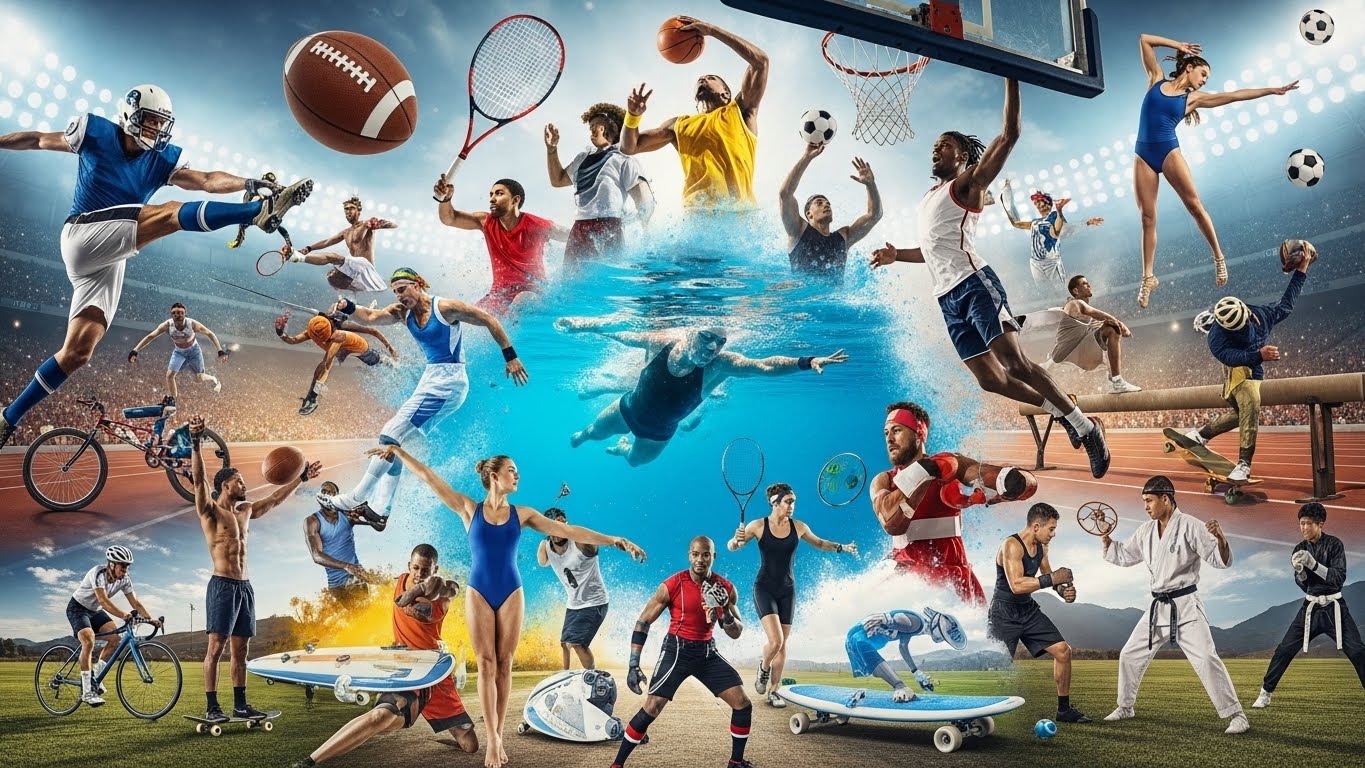
One of the most visible benefits of sports is physical health. Regular participation in sports improves strength, endurance, flexibility, and coordination. In an era where sedentary lifestyles and digital dependence are increasing, sports encourage movement and active living. Team sports promote overall fitness through running, jumping, and coordination, while individual sports such as swimming, athletics, and martial arts focus on stamina and precision. Beyond physical appearance, sports help reduce the risk of chronic diseases and improve overall quality of life.
Mental Strength and Emotional Balance
Sports play a crucial role in mental well-being. Training and competition teach athletes how to handle pressure, failure, and success. Learning to lose gracefully and win humbly builds emotional maturity. Physical activity releases stress and improves mood, making sports an effective way to manage anxiety and depression. For many individuals, sports provide a sense of purpose and belonging that strengthens self-confidence and emotional resilience.
Discipline, Teamwork, and Leadership
Sports are one of the best teachers of life skills. Discipline developed through regular practice helps individuals stay focused and committed to goals. Team sports, in particular, teach cooperation, communication, and trust. Players learn that success depends not only on individual talent but also on collective effort. Leadership emerges naturally on the field as captains motivate teammates, make quick decisions, and take responsibility. These qualities often translate into professional and personal success beyond sports.
Cultural Identity and National Pride
Sports have a unique ability to represent cultural identity and national pride. International competitions bring nations together, allowing athletes to represent their countries on a global stage. Victories are celebrated as national achievements, while defeats are shared experiences that strengthen unity. Traditional sports also preserve cultural heritage, connecting younger generations with their roots. In this way, sports become a living expression of history, values, and shared identity.
The Role of Sports in Youth Development
For young people, sports are a powerful platform for growth and learning. Participation in sports keeps youth engaged in positive activities and away from harmful habits. It teaches time management, respect for rules, and the importance of perseverance. School and community sports programs also help identify talent and provide opportunities for scholarships and professional careers. More importantly, sports create memories and friendships that shape character during formative years.
Sports and Social Inclusion
Sports have the power to break social barriers. They bring together people of different backgrounds, genders, and abilities on equal ground. Inclusive sports programs promote equality and mutual respect, allowing individuals to express themselves freely. Adaptive sports for people with disabilities highlight courage and determination, challenging stereotypes and changing perceptions. Through sports, communities learn the value of diversity and shared humanity.
The Business and Media Influence of Sports
In the modern era, sports have become a global industry. Professional leagues, sponsorships, broadcasting, and merchandise contribute significantly to economies worldwide. Media coverage has transformed athletes into role models and celebrities, influencing fashion, lifestyle, and social trends. While commercialization has increased pressure and competition, it has also expanded opportunities for athletes and brought sports closer to fans through technology and storytelling.
Technology and the Evolution of Sports
Technology has changed how sports are played, watched, and analyzed. Advanced training equipment, data analysis, and performance tracking help athletes improve efficiency and reduce injuries. Fans enjoy enhanced viewing experiences through instant replays and digital platforms. At the same time, technology raises questions about fairness and balance, reminding us that while innovation is important, the spirit of sportsmanship must always come first.
Sportsmanship and Ethical Values
At the heart of sports lies sportsmanship. Fair play, respect for opponents, and honesty define true competition. While winning is important, how the game is played matters more. Ethical values in sports inspire fans and participants alike, setting examples for society. Athletes who demonstrate integrity and humility leave lasting legacies that extend beyond medals and trophies.
Challenges Facing Modern Sports
Despite their positive impact, sports face several challenges. Issues such as corruption, doping, unequal access, and excessive commercialization threaten the essence of fair competition. Mental pressure on athletes and unrealistic expectations can also lead to burnout. Addressing these challenges requires strong governance, education, and a renewed focus on values that prioritize well-being and integrity over mere success.
The Future of Sports
The future of sports looks dynamic and inclusive. Emerging formats, community-based initiatives, and digital engagement are reshaping participation and fandom. There is growing awareness of mental health, gender equality, and sustainability within sports organizations. As society evolves, sports will continue to adapt while maintaining their core purpose of inspiring effort, unity, and excellence.
Conclusion: The Lasting Impact of Sports
Sports are far more than games played on fields or courts. They are reflections of human ambition, resilience, and unity. Through physical activity, mental strength, cultural expression, and social connection, sports shape individuals and societies in meaningful ways. Whether played professionally or casually, sports teach lessons that last a lifetime. In a world often divided by differences, sports remain a powerful force that brings people together, reminding us that beyond competition, the true victory lies in shared passion and collective growth.