Introduction: Sport as a Cornerstone of Society
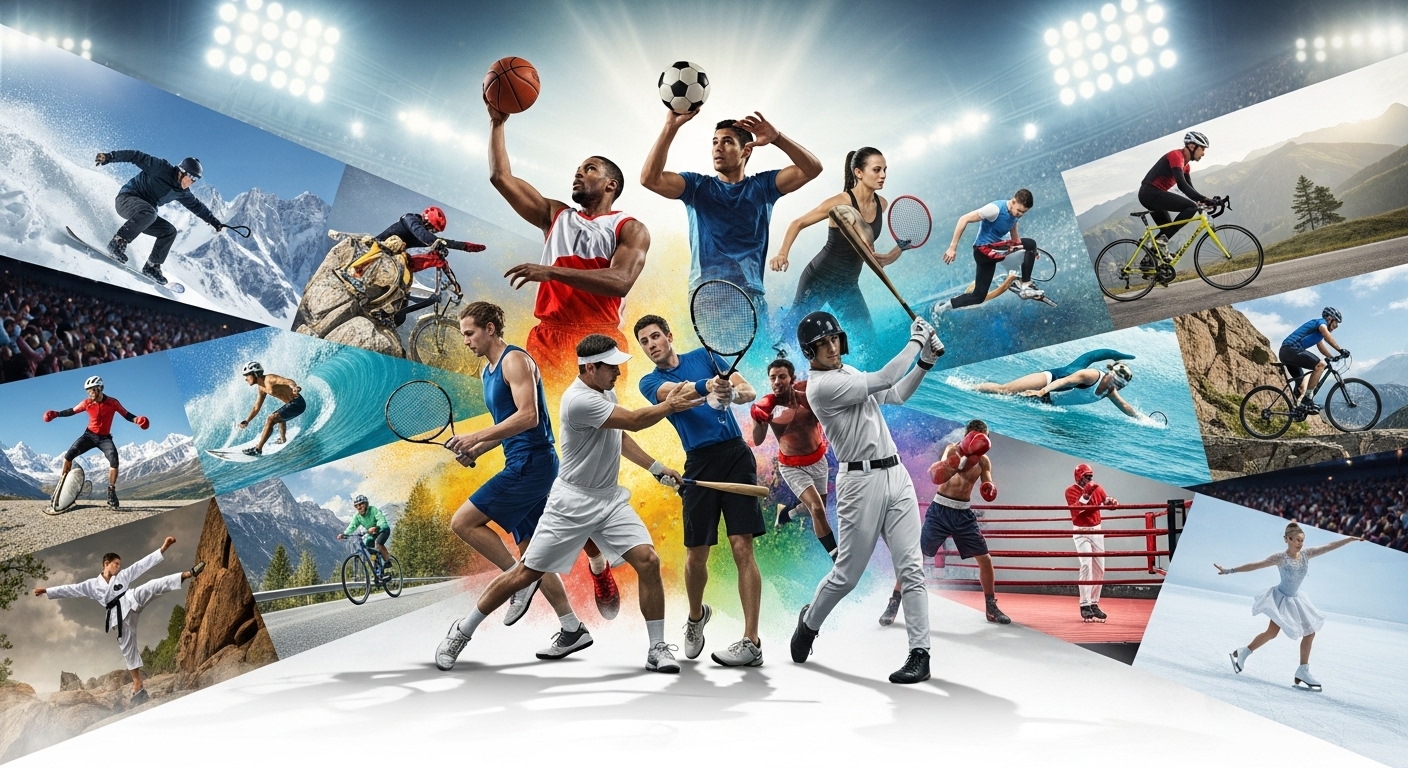
Sport is more than just a game; it is a reflection of human ambition, culture, and resilience. From ancient competitions to modern professional leagues, sport has played a critical role in shaping communities, inspiring individuals, and creating connections that transcend borders. Whether it is a local football match or the grandeur of the Olympic Games, sport captures the essence of human potential. This blog explores the multifaceted impact of sport, from its historical roots to its cultural, social, and personal significance in the modern era.
The Origins of Sport: From Survival to Celebration
The origins of sport can be traced back to prehistoric times when early humans engaged in physical contests to hone survival skills, such as hunting, running, and strength challenges. As societies evolved, these activities became structured competitions. Ancient civilizations, such as the Greeks, Romans, and Egyptians, formalized athletic contests to celebrate physical prowess, honor deities, and foster community.
The ancient Olympic Games, first held in 776 BCE, set a standard for organized competition, showcasing athletic skill, endurance, and discipline. Similarly, cultures worldwide developed unique sports reflecting their traditions and lifestyles. From archery in Asia to wrestling in Africa, sport has always served as both entertainment and a medium for cultural expression.
The Social Role of Sport
Sport plays a vital role in social cohesion. It unites people across social, economic, and cultural boundaries. Fans gather in stadiums, watch matches on television, or engage with communities online, creating shared experiences that transcend individual differences. Sport fosters camaraderie, collective identity, and pride in local, regional, or national teams.
Beyond spectatorship, sport is a vehicle for social development. Programs targeting youth engagement, community health, and education use sport as a platform to teach values such as teamwork, discipline, and perseverance. Sporting events also create spaces for dialogue and cooperation, building bridges between diverse groups of people.
Physical and Mental Benefits of Sport
Participation in sport offers profound physical and mental benefits. Regular physical activity strengthens the heart, muscles, and bones, enhances flexibility and coordination, and reduces the risk of chronic illnesses. Team sports encourage communication, strategic thinking, and collaboration, while individual sports develop self-discipline, focus, and resilience.
Mental health is also positively impacted by sport. Exercise releases endorphins, reducing stress and improving mood. Sporting engagement can boost self-esteem, foster a sense of achievement, and develop coping mechanisms for challenges. The holistic benefits of sport highlight its importance for both physical well-being and personal growth.
The Evolution of Modern Sport
Modern sport has undergone significant transformations due to globalization, technology, and professionalization. Rules have been standardized, international competitions established, and professional leagues created. Sports that were once regional or informal now enjoy global recognition, attracting millions of fans and participants.
Technological advancements have improved both performance and viewership. Video analysis, wearable fitness trackers, and performance metrics allow athletes to optimize training, while broadcast innovations, streaming, and interactive platforms enhance the spectator experience. Modern sport blends tradition with innovation, ensuring that its essence remains while adapting to contemporary expectations.
Iconic Sports and Their Global Reach
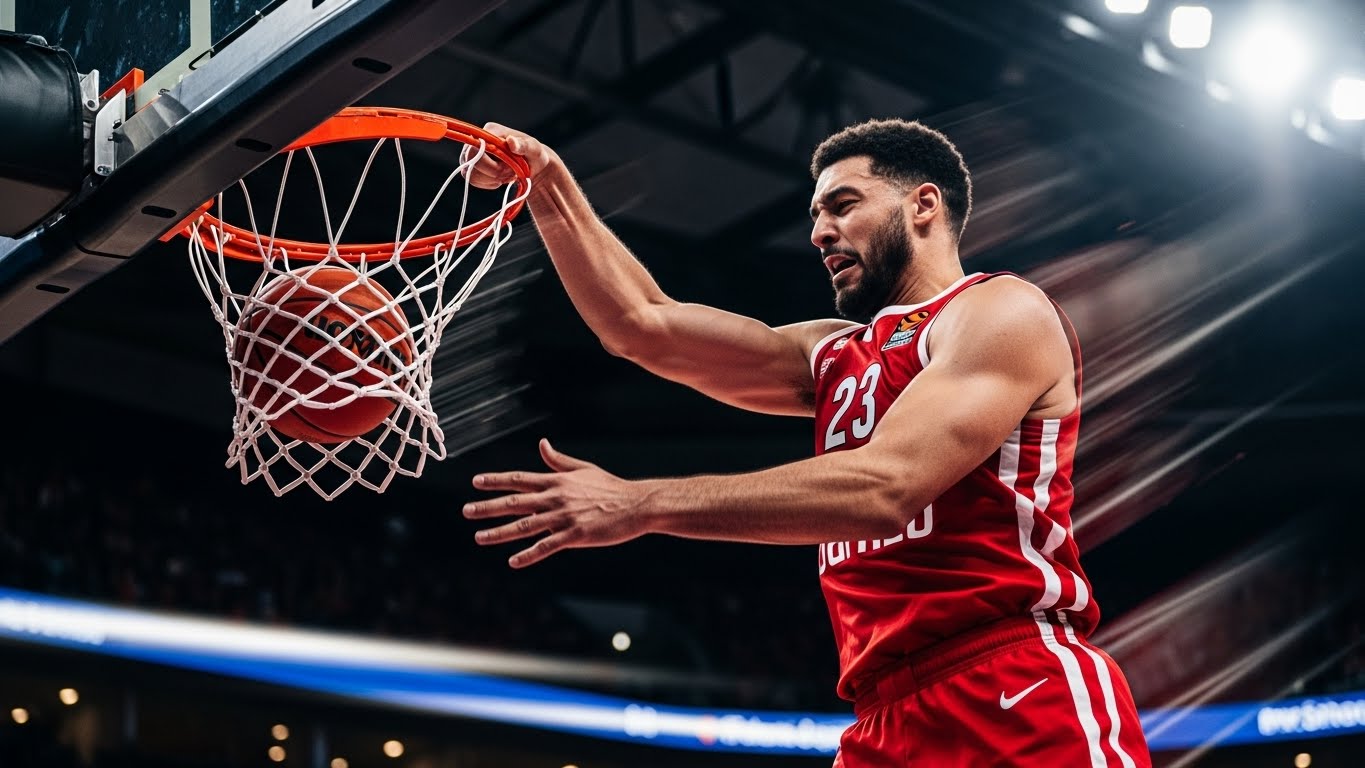
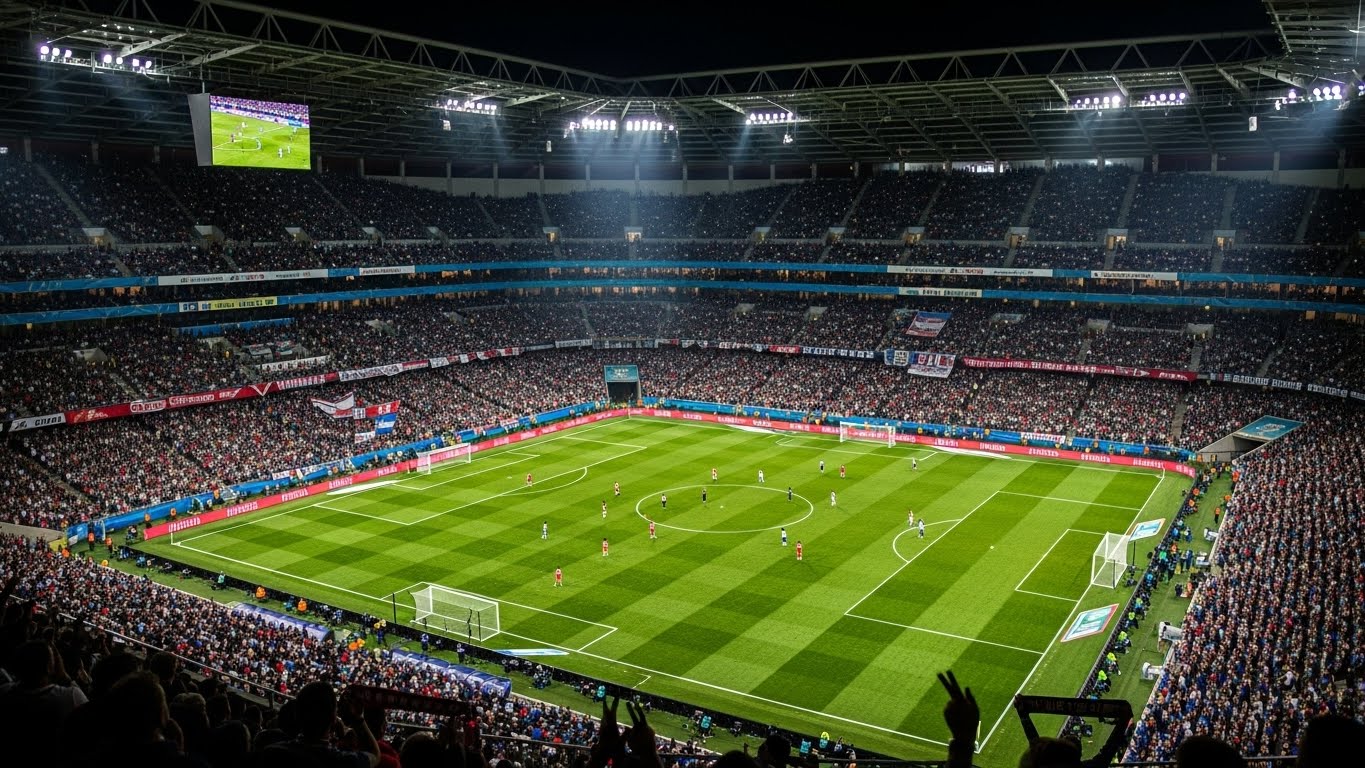
Certain sports have achieved remarkable global influence. Football, or soccer, is the world’s most popular sport, captivating billions of fans across continents. Basketball and tennis have developed international followings, producing iconic athletes who inspire generations. Cricket dominates regions such as South Asia and Australia, while athletics provides a universal platform for showcasing speed, strength, and endurance.
Major tournaments, such as the FIFA World Cup, Wimbledon, and the Olympics, capture global attention and celebrate human achievement. These events are cultural touchstones, bringing together athletes and spectators in shared celebration of skill, dedication, and excellence.
Economic Significance of Sport
Sport is a major economic driver, generating revenue through ticket sales, sponsorships, broadcasting rights, merchandise, and tourism. Professional leagues, clubs, and events create jobs for athletes, coaches, referees, administrators, and support staff. Local economies benefit from stadium construction, hosting of tournaments, and sports-related tourism.
Sponsorships and marketing partnerships extend the influence of sport to broader industries, including media, technology, and fashion. The commercial growth of sport demonstrates its significance not only as a cultural phenomenon but also as a powerful economic engine.
Sport and Education
Sports provide a valuable educational platform. Participation in athletic programs teaches essential life skills such as time management, teamwork, perseverance, and leadership. Schools and community programs integrate sports to encourage discipline, responsibility, and social interaction among youth.
Educational institutions also offer specialized training and courses for aspiring athletes, sports managers, and coaches. The lessons learned through sport—coping with success and failure, respecting rules, and maintaining ethical standards—translate to professional and personal contexts, shaping well-rounded individuals.
Inclusivity and Diversity in Sport
Modern sports increasingly emphasize inclusivity, providing opportunities for individuals of all genders, abilities, and backgrounds. Women’s sports, para-sports, and adaptive programs ensure access to competitive and recreational activities. Diversity enriches sports by introducing varied techniques, perspectives, and styles of play, fostering a more vibrant and equitable environment.
Inclusive participation encourages social cohesion, breaks down barriers, and challenges stereotypes. Celebrating diversity in sports reinforces its role as a unifying and transformative force within society.
Technology and Innovation in Sport
Technological advancements continue to shape the future of sport. Wearable devices monitor performance and prevent injuries, while video-assisted refereeing and analytics improve fairness and accuracy in competitions. Fans engage through streaming, social media, and interactive platforms, enhancing their connection to teams and athletes.
Innovations in sports science, biomechanics, and data analytics allow athletes to reach new heights, while virtual experiences, augmented reality, and gamification are redefining how spectators interact with sport. Technology ensures that sport remains engaging, relevant, and accessible in the modern age.
Sport as a Tool for Global Diplomacy
Sport has the unique ability to foster diplomacy and international cooperation. Global events like the Olympics and World Cups create platforms for cultural exchange, peacebuilding, and dialogue between nations. Athletes often serve as ambassadors, promoting values of fair play, tolerance, and unity.
Through friendly competition and shared celebration, sport provides common ground for nations to connect and collaborate. Its universal appeal makes sport a powerful medium for bridging political, cultural, and social divides.
Challenges Facing Modern Sport
Despite its numerous benefits, sport faces challenges. Issues such as commercialization, corruption, doping, and unethical practices can undermine public trust. Accessibility remains a concern, as socioeconomic factors limit participation for some communities. Maintaining integrity, fairness, and inclusivity is essential to preserve the core values of sport.
Additionally, balancing competitive pressure with mental and physical well-being is critical for athletes. Addressing these challenges requires strong governance, ethical leadership, and community engagement to ensure that sport continues to inspire and unite.
The Future of Sport
The future of sport will focus on sustainability, innovation, and inclusivity. Eco-friendly stadiums, sustainable event management, and reduced environmental impact are becoming priorities. Technological advancements, including data-driven training, augmented reality, and virtual participation, will enhance athlete performance and fan engagement.
Emerging sports and hybrid formats will diversify the landscape, while mental health awareness and wellness initiatives will redefine athletic success. The adaptability of sport ensures it will remain a dynamic and essential part of human culture.
Conclusion: The Enduring Power of Sport
Sport is a reflection of human creativity, discipline, and aspiration. It brings communities together, promotes physical and mental health, drives economic growth, and inspires cultural pride. From grassroots participation to professional competition, the influence of sport is profound and multifaceted.
As the world evolves, sport continues to adapt, embracing innovation, inclusivity, and global collaboration. Its enduring power lies in its ability to unite, challenge, and celebrate humanity. Beyond scores and trophies, sport remains a universal language, teaching values that resonate across generations and leaving a lasting impact on society.