
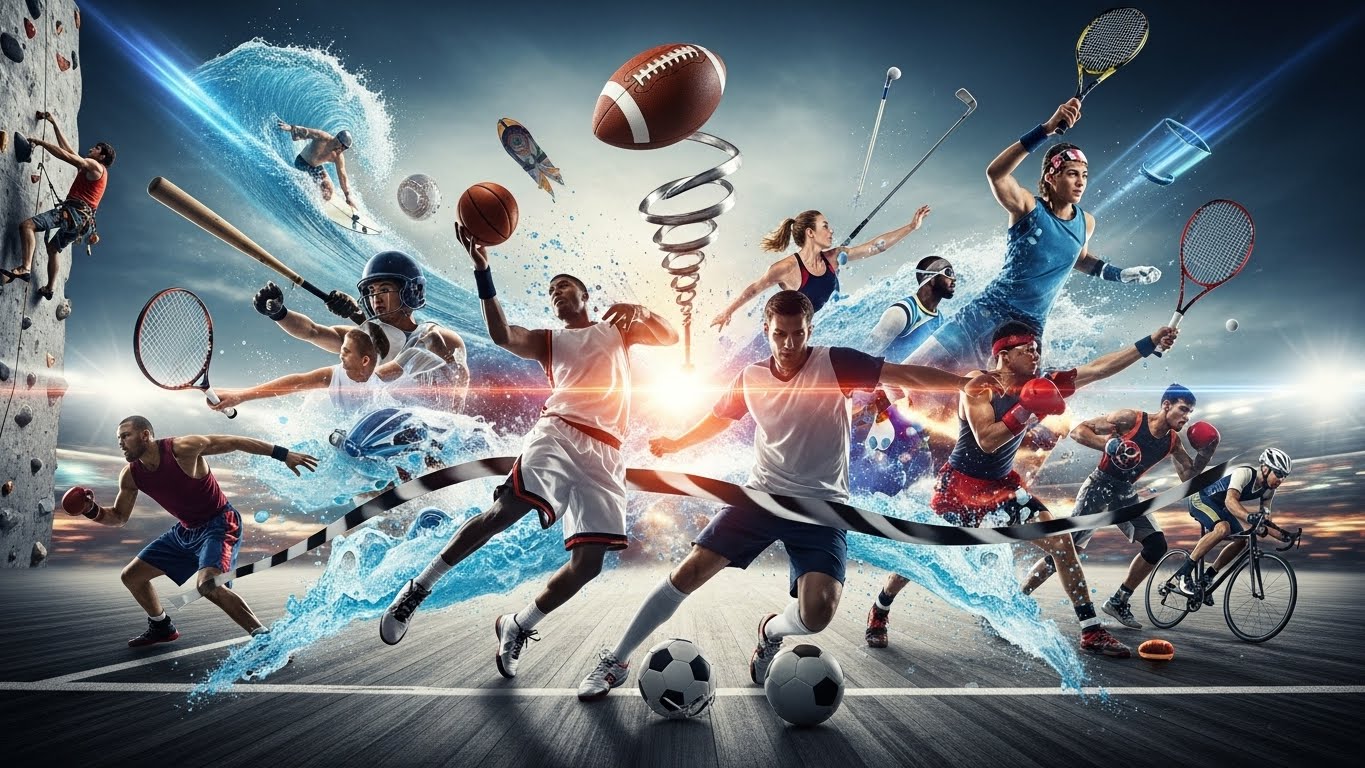
Sports are much more than just physical activity or competitive entertainment. They are a universal language, a tool for social cohesion, a source of personal growth, and a catalyst for national pride. From grassroots playgrounds to international arenas, sports play an essential role in shaping individuals and societies alike. In this blog, we will explore the multifaceted influence of sports, its benefits, challenges, and the ways it continues to evolve in the modern world.
The Universal Appeal of Sports
Sports have an unparalleled ability to bring people together. Whether it is a neighborhood playing football in the streets or millions watching the Olympic Games, sports transcend cultural, linguistic, and geographical barriers. The universal appeal of sports lies in its simplicity and adaptability. A ball, a court, and a set of rules can create a platform for connection anywhere in the world.
Historically, sports have been a reflection of societal values. Ancient civilizations, such as the Greeks and Romans, used athletic competitions to celebrate strength, strategy, and endurance. In modern times, the global enthusiasm for sports showcases the desire for communal experiences, entertainment, and inspiration. Sporting events, whether local or international, serve as shared cultural touchpoints, fostering a sense of unity and collective identity.
Physical and Mental Benefits of Sports
Engaging in sports provides far-reaching benefits beyond entertainment. On a physical level, sports enhance cardiovascular health, strengthen muscles, improve coordination, and increase stamina. Regular participation in sports can significantly reduce the risk of chronic diseases such as diabetes, hypertension, and obesity. For children and adolescents, sports play a crucial role in promoting healthy growth and development, instilling habits that last a lifetime.
The mental benefits of sports are equally profound. Physical activity stimulates the release of endorphins, the body’s natural mood enhancers, which can alleviate stress and combat depression. Sports teach resilience, discipline, and focus—skills that are transferable to other areas of life. Athletes learn to handle failure and setbacks, manage pressure, and develop problem-solving abilities. Even casual participants gain cognitive benefits, such as improved concentration and enhanced memory, highlighting the importance of sports for holistic well-being.
Sports as a Vehicle for Social Change
Beyond personal development, sports have proven to be a powerful agent of social change. Throughout history, athletes have used their platforms to challenge injustice, raise awareness, and advocate for marginalized communities. The realm of sports provides a visible stage where issues like racial equality, gender inclusion, and accessibility can be highlighted and addressed.
Grassroots programs are another significant example of how sports drive social change. Initiatives that promote sports in underprivileged communities can reduce youth delinquency, encourage education, and foster life skills. By instilling values such as teamwork, commitment, and respect, sports create pathways for social empowerment and opportunity. In this way, sports contribute not only to individual growth but also to the collective progress of society.
The Role of Competition in Personal Growth
Competition is often seen as the essence of sports, and it plays a vital role in shaping character. Participating in competitive sports encourages individuals to push their limits, learn from mistakes, and strive for excellence. The process of setting goals, practicing rigorously, and overcoming challenges instills perseverance and self-confidence.
However, the benefits of competition are not solely about winning. Learning to handle defeat gracefully is equally important. Sports teach humility, empathy, and resilience, helping individuals navigate the highs and lows of life. These lessons extend beyond the playing field, equipping people with the tools to face personal, professional, and societal challenges with strength and grace.
Teamwork and Collaboration: Lessons from Sports
One of the most profound lessons sports offer is the value of teamwork. While individual talent can shine, most sports emphasize collaboration, communication, and mutual support. Working as part of a team teaches individuals how to align personal goals with collective objectives, negotiate differences, and celebrate shared successes.
The skills developed through teamwork in sports often translate into professional and social contexts. Effective collaboration, problem-solving under pressure, and adaptability are qualities nurtured on the field and applied in workplaces, schools, and communities. By fostering empathy, trust, and leadership, sports shape individuals into conscientious and capable contributors to society.
Gender Equality in Sports
Historically, sports were male-dominated, but the landscape has been shifting dramatically in recent decades. Women athletes now command global attention, breaking records and challenging stereotypes. The rise of women in sports highlights the importance of inclusion, representation, and equal opportunity.
Promoting gender equality in sports is more than a matter of fairness—it is a driver of empowerment. Participation in sports equips women and girls with confidence, leadership skills, and a sense of agency. International events, professional leagues, and grassroots initiatives that support female athletes have created pathways for generations to come, demonstrating that sports can be a powerful platform for challenging societal norms and advancing gender equity.
The Evolution of Sports Technology
Modern sports are increasingly influenced by technological advancements. From sophisticated training equipment to wearable fitness trackers, technology has transformed the way athletes train, perform, and recover. Video analysis, motion sensors, and AI-assisted performance tracking allow athletes to optimize techniques, minimize injuries, and enhance overall efficiency.
Technology also enhances the spectator experience. High-definition broadcasts, virtual reality experiences, and real-time statistics bring fans closer to the action than ever before. Social media platforms allow athletes to connect directly with audiences, creating new forms of engagement and storytelling. The integration of technology demonstrates how sports continue to evolve, blending tradition with innovation.
Sports and National Identity
Sports often serve as a symbol of national pride and identity. International competitions such as the Olympics, FIFA World Cup, and regional tournaments evoke a strong sense of belonging and patriotism. Victories on the global stage can inspire unity, uplift spirits, and strengthen cultural bonds.
Athletes often become ambassadors of their countries, embodying values such as resilience, courage, and excellence. National sports programs, investments in infrastructure, and talent development initiatives reflect a country’s commitment to nurturing its athletes. In this sense, sports not only celebrate individual achievement but also reinforce national cohesion and identity.
Challenges Facing Modern Sports
Despite the numerous benefits, modern sports face significant challenges. Issues such as doping, corruption, and commercialization can undermine the integrity of competitions. Overemphasis on winning and financial gain may compromise ethical standards, athlete welfare, and the spirit of fair play.
Additionally, accessibility remains a concern. Socioeconomic disparities often limit opportunities for participation in sports, particularly in marginalized communities. Addressing these challenges requires thoughtful policies, ethical oversight, and community-driven initiatives that prioritize inclusivity, safety, and integrity in sports.
The Future of Sports
The future of sports promises continued evolution and innovation. Emerging disciplines, adaptive sports for differently-abled individuals, and sustainable event practices reflect a growing awareness of diversity, inclusion, and environmental responsibility. Sports are also embracing global connectivity, with virtual competitions, e-sports, and international collaborations expanding the definition of athletic engagement.
Moreover, the emphasis on mental health, wellness, and ethical conduct is reshaping how sports are approached at every level. The focus is shifting from mere performance to holistic development, ensuring that sports remain a source of inspiration, education, and empowerment for generations to come.
Conclusion: Sports as a Lifelong Companion
Sports are far more than games or entertainment—they are a microcosm of life itself. They teach resilience, discipline, teamwork, and empathy. They foster health, well-being, and personal growth. They break down barriers, promote equality, and inspire collective pride. From childhood playgrounds to the grandest arenas, sports touch every facet of human experience.
In embracing sports, individuals and societies gain more than medals or trophies; they gain lessons, memories, and values that last a lifetime. The transformative power of sports lies not only in the victories but in the journey, the effort, and the spirit of participation. By celebrating sports in all its forms, we honor the human capacity for growth, connection, and excellence.