
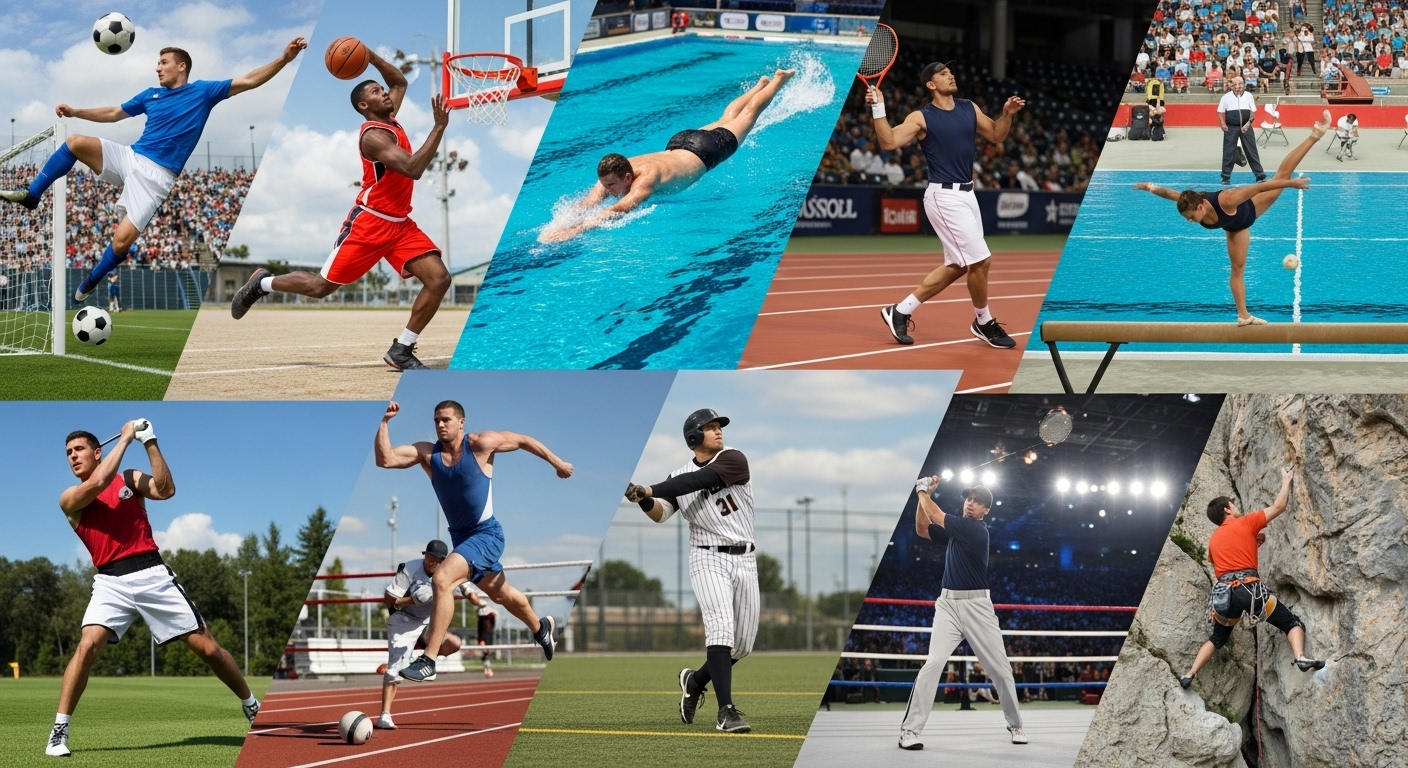
Introduction: The Universal Language of Sports
Sports are much more than a pastime or entertainment; they are a universal language that transcends borders, cultures, and generations. Across the globe, people connect through the excitement of a shared game, the admiration of skilled athletes, and the joy of teamwork. Whether in a professional stadium, a local playground, or a backyard, sports hold the power to inspire, teach, and unite.
In this blog, we will explore the multifaceted world of sports—examining its role in shaping individual character, influencing society, promoting health, driving economic growth, and bridging cultural gaps.
The Timeless Appeal of Sports
The appeal of sports is as old as human civilization. Historical records from ancient Greece, Rome, and China show that athletic competition has always played a central role in culture and society. Sports combine simplicity and complexity; anyone can understand the basic rules, yet mastery requires dedication, intelligence, and strategy.
The thrill of competition, the excitement of spectatorship, and the personal satisfaction of achievement make sports universally engaging. They are both inclusive and aspirational, offering opportunities for individuals of all ages and abilities to participate. Sports also bring communities together, fostering a sense of belonging that extends far beyond the playing field.
Sports as a Teacher: Building Character and Values
One of the most profound impacts of sports is on personal development. Participation in sports instills values such as discipline, perseverance, resilience, and teamwork. Young athletes learn that success requires hard work, practice, and mental toughness.
Team sports, such as soccer or basketball, emphasize collaboration, communication, and mutual respect. Individual sports like tennis or swimming teach self-reliance, focus, and accountability. Through victories and defeats, athletes develop humility and the ability to handle setbacks—skills that carry over into academics, careers, and personal relationships.
In essence, sports act as a living classroom, providing lessons that cannot always be taught in traditional educational settings.
The Mental and Psychological Benefits of Sports
Sports are as much a mental endeavor as a physical one. Competing and training in sports strengthens the mind, enhancing concentration, problem-solving, and emotional resilience. Athletes develop coping strategies for pressure, learn to manage stress, and experience the satisfaction of overcoming challenges.
Even for casual participants, sports improve mental health. Physical activity triggers the release of endorphins, natural chemicals in the brain that reduce stress and elevate mood. Engaging in sports also provides a structured way to set goals, measure progress, and experience a sense of accomplishment—factors critical for long-term psychological well-being.
Sports and Society: Uniting Communities
Beyond personal growth, sports serve as a social glue. They create shared experiences that strengthen communities. Local leagues, amateur clubs, and school teams provide spaces for individuals to meet, connect, and build friendships. Spectators also form bonds, sharing the excitement of wins and the disappointment of losses.
Globally, sports events like the Olympics or World Cup transcend national boundaries, uniting people with a collective passion. They foster mutual respect, understanding, and appreciation for diverse cultures. Sports diplomacy has even been used to ease tensions between nations, demonstrating that the power of competition can sometimes replace conflict.
Health and Fitness: Sports as a Lifestyle
In an era dominated by sedentary behavior, sports provide a vital path to physical health. Regular participation improves cardiovascular fitness, strengthens muscles, enhances flexibility, and promotes coordination. It also helps manage weight, reduces the risk of chronic illnesses, and supports healthy aging.
Sports are not just about intense training or competition; recreational activities such as jogging, cycling, swimming, and yoga also count. Engaging in sports encourages consistent movement and fosters long-term healthy habits. For children, sports are particularly valuable, instilling an early understanding of fitness and self-care that lasts a lifetime.
The Business and Economics of Sports
Sports have evolved into a global industry that impacts economies at multiple levels. Major leagues, tournaments, and international events generate revenue through ticket sales, broadcasting rights, merchandising, and sponsorships. Stadiums and arenas boost local economies, attracting tourism and creating jobs in hospitality, security, and retail.
Athletes themselves contribute to the economic ecosystem. Professional players often become influential public figures, shaping trends in fashion, media, and culture. Even grassroots sports stimulate local economies by creating demand for equipment, training facilities, and events. This economic significance ensures that sports are more than just games—they are a vital part of modern life.
Technology and the Modern Sports Era
Technology has dramatically transformed the way sports are played, consumed, and analyzed. Training programs now incorporate advanced analytics, wearable devices, and biomechanical studies, helping athletes optimize performance and reduce injury risk.
Fans experience sports differently as well. Television broadcasts, instant replays, and real-time statistics allow spectators to engage with games in unprecedented ways. Social media platforms give athletes direct connections with their supporters, creating new forms of interaction and fandom. Even traditional sports have embraced innovation, balancing heritage with modern advancements to maintain relevance.
Inclusivity and Diversity in Sports
Sports are becoming more inclusive, opening opportunities for all genders, abilities, and backgrounds. Women’s sports have grown exponentially, with increased media coverage, sponsorship, and recognition. Adaptive sports for individuals with disabilities provide competitive and recreational opportunities, highlighting that athletic achievement is not limited to a particular group.
Diversity in sports also extends to cultural representation. Athletes from various countries, races, and ethnicities compete on global stages, inspiring millions and breaking down stereotypes. This inclusivity fosters mutual respect and reinforces the idea that sports belong to everyone.
The Future of Sports
The future of sports promises exciting developments. Virtual reality, artificial intelligence, and digital platforms will continue to reshape participation and viewership. Sports science will evolve, enhancing training, injury prevention, and performance. Sustainability will play a key role, with stadiums, events, and equipment designed to reduce environmental impact.
Youth engagement will remain critical. Encouraging children and teenagers to participate in sports not only promotes health but also develops life skills that carry into adulthood. The continued growth of women’s and adaptive sports ensures a more equitable and diverse sporting landscape.
Conclusion: The Lasting Impact of Sports
Sports are more than competitions and trophies. They are a powerful force that shapes character, fosters mental and physical health, unites communities, and drives economies. They teach invaluable life lessons, connect people across cultures, and create memories that last a lifetime.
Whether you are an athlete striving for excellence, a fan cheering from the sidelines, or a community organizer nurturing local talent, sports leave an indelible mark on life. They remind us of the strength of the human spirit, the value of perseverance, and the joy of shared experiences.
Ultimately, sports are a celebration of life itself—a pursuit that challenges, inspires, and connects us all.